07.21.22 | For Buyers

Your Guide To Basement Apartments And Secondary Suites

Real estate has always been expensive, and buying a home is the most significant investment most people will ever make in their lifetime. As prices have risen over the years, it has become more difficult for many younger people to get a foot into the market. And the sharp increases over the last two years have made homeownership seem virtually impossible. To buy a house today, you may need a much higher than average income or help from a relative. What if you don’t have either of those things? Should you resign yourself to renting for the rest of your life? Not necessarily. In fact, a little out-of-the-box thinking could take you from renting to investing in a very short time.

Can A Secondary Suite Be Your Ticket To Homeownership?

Secondary suites can make buying a home more affordable in more ways than you might realize. The extra rental income can cover a significant portion of the mortgage. In addition, many lenders allow you to add the projected rent to your income and give you access to more financing. 

Most people buy or build a secondary suite with the intention of living in the main unit. However, if your lifestyle allows, you could live in the smaller space and rent out the main house. If you do, you might even see a positive cash flow from your property. 

A house with a legal secondary suite offers more resale value, meaning your equity will grow faster than a single-family home. And just like that, you’re no longer stuck in the rental market. Now, you’re a bonafide real estate investor!

Are you thinking about buying your first home? You may be interested to know that we offer a webinar for first time buyers to answer all of your questions.

Types Of Secondary Suites

Basement Apartments

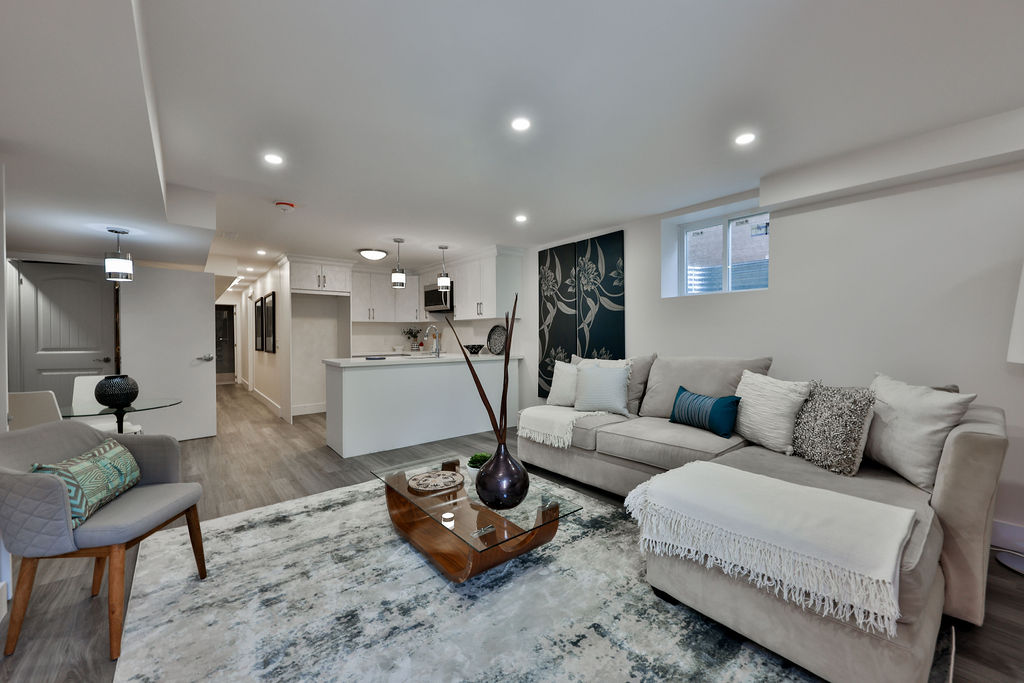
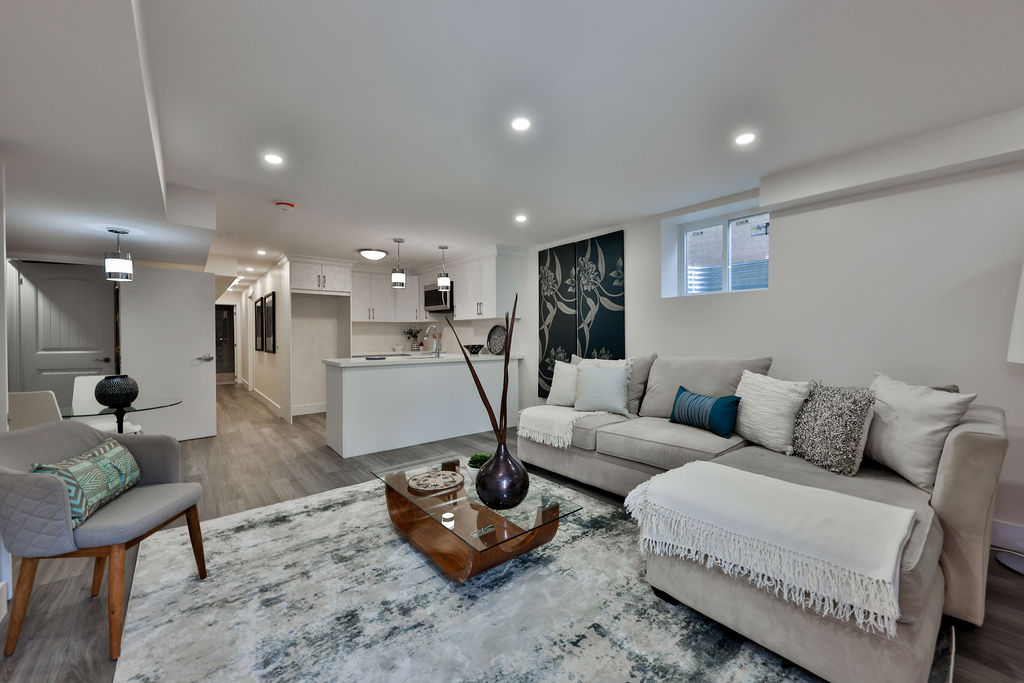
When you think of renting space in your house, a basement apartment probably pops into your mind. They are the most common of all secondary suites because they are the easiest to build if one doesn’t already exist. If you buy a house with a finished basement, you’ll likely have to invest time and money to bring it up to code. However, the resale value of the home alone makes it worth it. 

Unfortunately, basement apartments do have some drawbacks. Noise complaints are common. Depending on the level of soundproofing, the basement tenant can hear everything going on upstairs, right down to your footsteps. If children are yelling or romping around upstairs, the relationship can get tense very quickly. 

Soundproofing can help, but it isn’t inexpensive. However, if it ensures a peaceful coexistence between you and your tenant, it can be worth every penny.

The other problem with basement apartments is that they are notoriously dark, which is a turn-off to some potential tenants. The windows are generally smaller, and even white paint and an open concept design will not flood the apartment with natural light. 

What makes a basement apartment legal in Milton? We have a post dedicated to the topic right here.

Attic Suite

Basement apartments are everywhere, but what about building a suite above you instead? It’s a far less common option, and you’re less likely to find a home with one already installed. 

If you want an attic suite, you’ll probably have to build it, but there are many advantages to make it worthwhile.

An upper-level suite is more desirable to tenants because, unlike basement apartments, they are full of natural light, offer more fresh air and a better view. You can likely charge more for an upper unit, which can help offset the investment needed to build it. 

What about the downfalls?

You may worry less about your tenant complaining about the noise. However, you might be the one to have to get used to the stomping footsteps and clamour from above.

Your pool of potential tenants may be slightly more limited. The unit is ideal for young professionals or couples but less likely to appeal to older people with mobility issues. 


Have you been bitten by the real estate investment bug? Then you’ll love some of these other posts!


Ground Level Suite

If you don’t like the idea of a basement apartment or an attic suite, why not consider building an addition? This can solve the noise and lighting issues and is an excellent option if your lot is large enough for an addition to the side or back of the house. It’s still a separate suite, but it allows easier access between the units. 

As the population ages, ground-level suites will become more popular for elderly tenants or family members with mobility issues. A house with a main-level apartment will have excellent resale value as demand increases.

Garden Suites

When you walk through your neighbourhood, you may spot some houses with converted garages or fancy sheds with extra large windows. But these curious-looking buildings are probably not what you think. Chances are, they’re secondary suites that are built on the same lot as the main house. They’re called garden suites, and they have exploded in popularity since the provincial government legalized them to address the housing shortage.

Garden suites are small but highly functional, often with open concept floor plans and modern appliances. Depending on the design, they can be breathtakingly beautiful.

A garden suite offers you and your tenant complete privacy and eliminates most or all noise complaints. They’re a fantastic way to generate income from your property or keep your loved ones close by.

A garden suite will require a significant upfront investment, but will quickly grow your equity as the house rises in value.

What’s Your Next Step?

If you decide that a secondary suite is right for you, there are two options:

1.) Buy a house with an existing suite.

This is by far the most straightforward option. Even though you may require some updates to bring the unit up to code, you won’t have to live in a construction zone. Plus, you can secure a tenant sooner and start generating rental income to help with your mortgage payments.

However, one thing to be aware of is that not all basement apartments are legal. If anything is missing, you may find it difficult to get insurance for the unit. You may also find yourself in a legal bind if someone decides to report you. To prevent these hassles, work with an experienced real estate agent with experience in investment properties.

2.) Build a secondary suite.

Building a secondary suite is ideal if you have the budget and time to wait before you can start generating income. You can decide whether you want a basement apartment, attic suite, ground level unit or garden suite. Once again, if you choose to build, work with an experienced professional to ensure you follow the code.

The nice thing about building a secondary suite is that you get a say in everything from start to finish. You can take your sensitivities and need for privacy into account.

Your options are only limited by your imagination!

Do you want to talk more about your options for investing in real estate? We work with buyers and investors at every level and are happy to point you in the right direction!


 

05.9.22 | For Buyers

How Will Rising Interest Rates Affect Buyers?

Have you thought about buying a new home but are feeling discouraged by the fierce competition and out-of-control prices? If so, you’re not alone. Property values have soared all over the country, and the average cost is higher than ever. 

The Bank of Canada introduced a record low interest rate at the beginning of the pandemic to try to stimulate the economy. This added fuel to an already hot seller’s market. 

However, over the last month, there have been some changes. 


The great news is that it is a better time to buy now than it has been for at least two years. Are you thinking of taking the plunge? If so, these resources can help:


The low interest rates were only a temporary solution. In 2022, we have already seen two increases. What will happen to the real estate market as the interest rates rise? No one knows for certain, but here’s what we have noticed so far:

More Listings Are Available

If you tried to buy a house three months ago, you would have faced fierce competition. There are far more people out there looking to buy than homeowners who are willing to sell. Even those who wanted to sell hesitated to put their house on the market for fear of not being able to find a new place. 

This competition resulted in many multiple offer scenarios and even triggered bidding wars. Buyers tried everything to find a suitable home, from dropping off letters around the neighbourhood to submitting bully offers on the few listings they could find.

Now, we’ve just entered the Spring market, and for the first time in years, more listings are available. The scales haven’t tipped completely. The market still favours sellers, but it is slightly less competitive. Not every house receives multiple offers, and the percentage of “sold over asking” has decreased. In rare cases, some homes don’t sell at all and are pulled off the market.

Will this trend continue? It’s impossible to say, but the market may become more balanced if there is another interest rate hike this June.

Why Do Interest Rates Affect the Market?

When interest rates are low, the cost of borrowing decreases. Low rates make it easier for some people to purchase houses that would otherwise be out of their budget. When you’re talking about a mortgage loan of hundreds of thousands of dollars, any change to the rate can affect your payments. 

As rates go up, the higher cost of borrowing will make it more difficult for some buyers to qualify for financing. Others might drop out of the market to ensure they don’t get in over their head financially. The current inflation rate and high cost of living may also make some potential buyers more reluctant.

Good And Bad News For Buyers

The good news is that with fewer people searching for properties, there is less competition for those still intending to buy. The bad news, at least for now, is that there doesn’t seem to be any sign of significant price drops. Many analysts predict that the out-of-control price increases will slow down, and buyers won’t have to bid as far above asking. 

However, the market will continue to favour sellers for the foreseeable future. You have a better chance of finding your ideal home now than you did even a few months ago, but you are likely to pay a premium price for it. 

Financing Options to Protect You From Rising Interest Rates

The Bank of Canada is expected to make another announcement about interest rates in early June, which is causing a bit of alarm in the market. However, there really is no cause for concern. The rates are still much lower today than they have been in decades. 

If you bought a house in the lower or middle of your budget, you have very little to worry about. You may need to readjust your budget to allow for a slight increase in your monthly payments. 

What if, like many people, you had to buy a home at the high end of your budget? You should talk to your financial advisor or accountant, but options are still available to keep your payments affordable. 

  1. You may be able to keep your monthly payments the same. The bank will adjust the ratio of interest to the principal. It will take longer to pay off your loan, but you don’t have to worry about fluctuating monthly payments.
  2. Leave room in your budget to allow for rising interest rates but pay off your mortgage faster.
  3. If you are up for refinancing, choose a fixed rate to protect you from any future changes.

In addition to flexible payment options, the stress test is designed to ensure that you will not encounter financial difficulty even as interest rates rise. 

Find out more about the new rules for the stress test here. 

Homeownership is becoming more attainable thanks to more stringent regulations and the abundance of financing options, and the default rate for mortgages in Canada is extremely low. 

Are you a first-time buyer hoping to purchase a new home soon? Our “First-Time Home Buyer” webinar will guide you and answer your questions. Sign up for free here.


03.9.22 | For Buyers

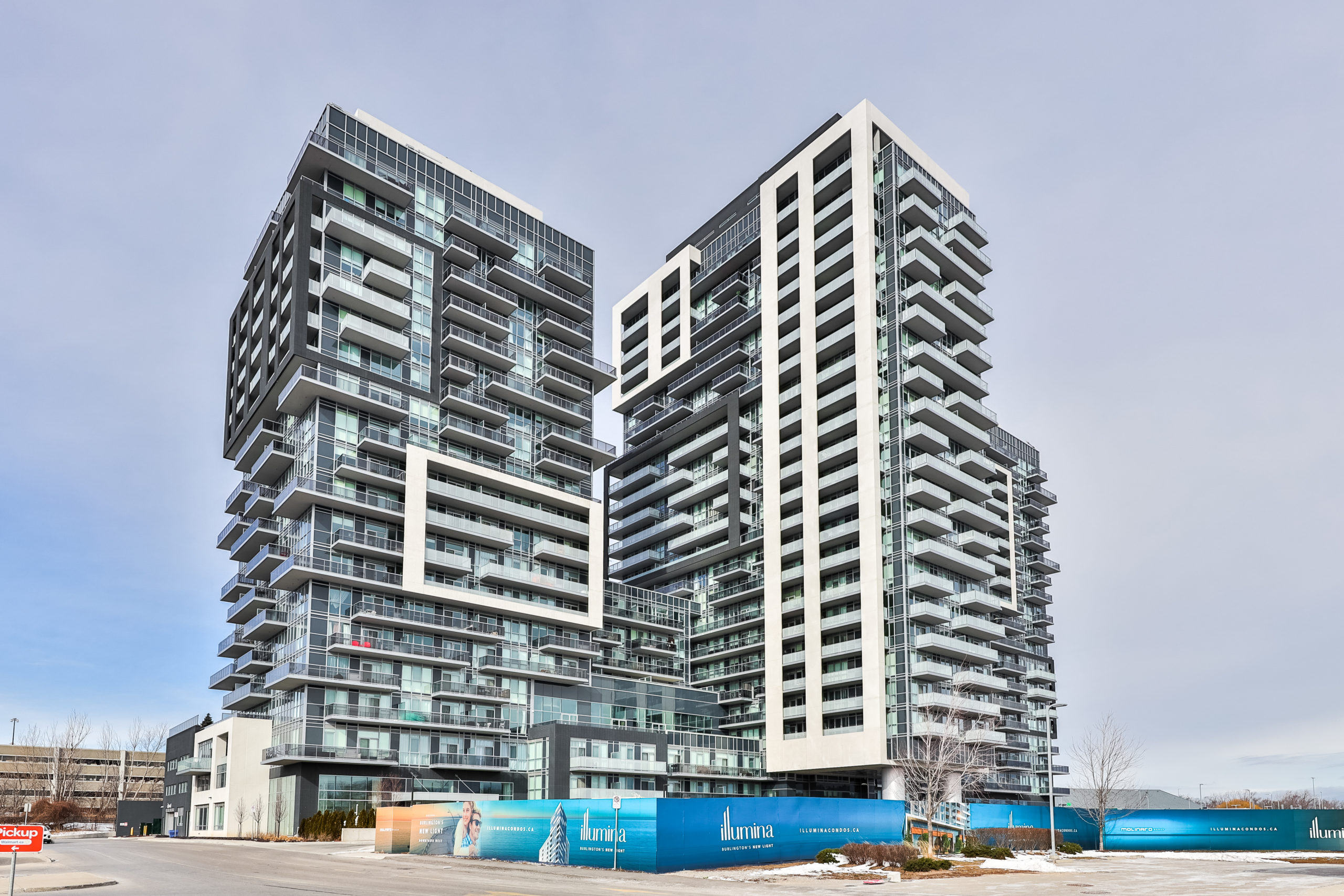
Best Burlington Condos for First-Time Home Buyers

Are you getting ready to buy your first home? If so, you’re probably on a fact-finding mission to help you make the best investment possible. Your first purchase is an exciting time, but there’s so much to do and find out. What kind of home do you want to live in? What neighbourhood? For many people, Burlington has everything you could ever need or want for your first home.

Why Burlington? For starters, it’s frequently rated as one of the best cities in Canada to live in. Burlington is safe, scenic and close to the waterfront. The fabulous annual festivals, events and plethora of dining, shopping and entertainment options give Toronto a run for its money. 

One of the strongest appeals of Burlington is its affordability. Even in this ultra-competitive real estate market, you can often find a starter condo for $500,000 or less. (Although, high-end luxury units are also available, including some beautiful properties right along the waterfront.)

Contrast these prices with Toronto’s average condo unit of $740,000, and it’s easy to see why many new homeowners get their start in Burlington.

To help you on your mission, here is the rundown on some of the top buildings for first-time buyers.

Paradigm Condos

Our very own Maggie Renaud got her start in Paradigm Condos, and she loved every minute of her time there. It is one of the newest facilities in the city, completed in 2018. The building features a beautiful indoor swimming pool, a basketball court and a fitness center. The piece de resistance, however, is the stunning rooftop sky garden and patio. Sit by the fire table, relax and enjoy the spectacular view of the city.

Although Paradigm Condos provides so many amenities that you will rarely have to leave, it is a dream location for anyone who commutes. Go Transit is located just steps away, and there is a path that leads right into the station. Plus, you’ll find many restaurants, coffee shops, and plazas nearby, including Mapleview Mall and Village Square.


Looking for more ideas to help you get into your first home? Here are some ideas to consider:


Maples Condominiums 

“The Maples” is a 13 storey building located right in downtown Burlington. It has spacious two-bedroom units ranging from 1420 to 1750 square feet. The larger than average size living space and spectacular rooftop patio come at a surprisingly affordable price, which puts units in this building in very high demand. It is a ten-minute walk from the waterfront, including the gorgeous Spencer Smith Park, where you can spend many hours walking the trails and attending the festivals. 

Pinedale Estates

Constructed in 1989, Pinedale Estates is located just east of Appleby Line on Pinedale Avenue. It consists of three buildings with one and two-bedroom units from 700 to 1298 square feet. The building features an indoor pool, a fitness room, a tennis court and a practice driving range, making it a dream home for anyone who loves to stay active. You’re also close to walking trails and parks, including the Burloak Waterfront Park. The Appleby Village Mall is a quick walk away and will take care of all of your shopping needs.

Balmoral Condos

Balmoral has units ranging from 764 square feet to a massive 2200 square feet of luxurious, open concept living. The building offers a party area, fitness centre and hobby room. Located in North Burlington, many of the units offer a beautiful view of the escarpment off of the balcony. Step outside, and you’ll discover many ways to get close to nature, including multiple hiking trails and parks.

It is close to many restaurants and shopping areas and is only a 15-minute drive to the waterfront.

Upper Middle Place

Built in 1978, Upper Middle Place is one of Burlington’s most affordable buildings. The condos are larger than average and range from 980 to 1247 square feet. Many units have been thoroughly upgraded and renovated and offer magnificent views of the escarpment. 

The building may be older, but it is very appealing to many young buyers, and not just because of its affordability. The party room, sauna, tennis courts, and outdoor swimming pool make it easy to stay active. There are pubs, restaurants and coffee shops just steps away, and Go Transit is only a 10-minute drive.

Pre-Construction Condos Coming Soon

If your purchase is a couple of years down the road, Burlington has many new condos in the works. Some of these have already started to sell. Here are a couple of the developments that have us really excited!

Martha James Condominiums 

Located on James Street in Burlington, units will start from $500,000. Martha James Condos will be close to the waterfront, and all the amenities you could ever need are within easy walking distance. You can visit Spencer Smith Park and many unique shops and cafes within a few blocks of each other. 

Once completed, the building will have a fitness centre, a lounge, a bbq area, a rooftop patio and a concierge available in the front lobby.

BeauSoleil Condos

Despite its enviable location right on Lakeshore Road, BeauSoleil Condos will have units starting for less than $500,000. The building will feature an outdoor pool and a beautiful rooftop lounge and dining area, with many amenities a few minutes’ walk away. Step outside, and the beautiful waterfront of Lake Ontario awaits you. 


Want to know more about what Burlington has to offer? Here are some more interesting facts to read up on:


01.31.22 | For Buyers

Is It Better to Buy or Rent in Canada in 2022?

Many Canadians who currently rent are dreaming of homeownership. If you fall into this camp, you may be wondering whether 2022 is the time to make your dream come true. The truth is, there are many things to consider—including which option will most benefit you financially. 

If you’re trying to decide whether to buy or rent the next place you call home, here’s what you should know…

The current market

When you’re thinking about buying, it’s important to understand local market conditions. There’s no doubt that we’ve been in a seller’s market for some time now, and (while we certainly can’t predict the future) there’s no indication that this trend is going to change anytime soon. 

While 2022 has just begun, last month’s numbers can provide us with some much-needed insight. In Halton Region, the average home price is on the rise—and for December, it reached $1.34 million. In Milton, it was nearly $1.35 million, and in Burlington, it was $1.23 million.

In other words, it’s hard to get a foot in the market right now. Given the sums of money involved, it’s critical to think your decision through. That said, if you have the time and resources to compete, there are some substantial benefits to doing so. 

From long-term appreciation to greater financial security, there are many reasons why so many buyers can’t wait to take this step—even if it means starting with a small condo when they’re looking forward to buying a house. Let’s take a closer look at the financial advantages of purchasing a piece of real estate right now.


The first step towards buying a home is making sure you’re informed. You’ll find in-depth information about what the process is like right now in our recent blog posts below.


The financial perspective

Studies frequently show that in most cases, owning a home is more financially beneficial than renting in the long run. To start with, as The GTA’s population grows, so too does the number of people who need a place to live. That’s putting rentals in high demand, so it’s no surprise that rents are on the rise. Unfortunately, when you pay this monthly cost, your money doesn’t work for you. It helps your landlord pay their mortgage.

If, on the other hand, you decide to buy, a significant portion of your mortgage payments will go towards your principal. In a sense, it can be considered a forced savings account (since you’re constantly building equity). When you look at it this way, you can see how monthly rent can be significantly more costly than your mortgage payments. 

When it comes to improving your financial situation, owning a home gets even better. You’ll not only benefit from equity but long-term appreciation. In the vast majority of cases, local real estate becomes more valuable over time. While the market fluctuates, it also bounces back—and an experienced agent can help you get top dollar when you’re (eventually) ready to sell.

Buying a home also gives you the opportunity to bring in passive income if and when you decide to move into another home. By renting out the living space you buy, you can grow both your bank account and your personal net worth. Having an investment property is also a great way to diversify your portfolio. 

Ready to learn more about the purchase process? Start by downloading our buyer’s guide right here.

Your long-term priorities

Let’s say you don’t have your future financial security in mind, nor are you thinking about growing your wealth by investing. The truth is, you’ll almost certainly need to think seriously about money matters in the years ahead. Owning a piece of property can give you a significant headstart.

Of course, there are other reasons to buy a home, the biggest one being your quality of life. If you’ve always envisioned yourself in a place you can truly call your own—where you can renovate to your heart’s content and take pride in ownership—that’s one of the best possible reasons to purchase if you can afford to.

All of that said, there are situations where renting is the better option. Will it put you in financial peril if you buy today? Are you unsure of where you want to be in the near future? Does the commitment of owning (and all the potential hassle and costs associated with ongoing maintenance) feel like a deterrent?

At the end of the day, the decision to buy or rent is a significant one, and it shouldn’t be taken lightly. The good news is, a real estate professional who’s passionate about what they do should be happy to answer your questions—and help you determine whether buying is right for you!

Have unanswered questions about buying a home? We would be happy to discuss them with you. Get in touch here.

How New Government Policies Could Help First-Time Buyers

01.17.22 | For Buyers

How New Government Policies Could Help First-Time Buyers

For many Canadians, getting their foot in the door of the real estate market is harder than ever. New stress test rules are making it harder to borrow. While recent years have seen the minimum down payment rules shift in favour of a larger lump sum. And that’s not even mentioning the current seller’s market climate with steep competition and rising real estate prices. 

However, all is not lost and the dream of homeownership is still a viable possibility for millennials and their contemporaries. 

Especially when we consider that a major part of the Liberal Party’s election platform hinged on policies targeted to help first-time buyers. 

Let’s take a look at how some of these programs could help you reach homeownership in 2022:

The Tax-Free First Home Savings Account

Currently, Canadians can draw funds tax-free from their RRSP for a house downpayment, however, the catch is that they are then beholden to pay that money back after a certain period of time. 

The Liberal Party has promised to implement a new type of savings account that will help first-time buyers save for a down payment without requiring them to repay. The account is designed for Canadians under 40 and will allow them to save up to $40,000 toward the purchase of their first home.  

Additionally, if you save $40,000 but do not use the full amount for your down payment, the leftover funds will revert back to an RRSP. 

Did you know that we host monthly webinars for first-time buyers? You can sign up for our latest webinar right here. 

The Buyer’s Bill of Rights

In today’s competitive seller’s market, buyers can feel discouraged about bidding on properties. First-time buyers especially, since they are the ones with less experience and, in most cases, less purchasing power. 

The Liberal Party’s Buyer Bill of Rights intends to soften some of these issues. Policies like a ban on blind bidding, establishing the legal right to a home inspection, and numerous clauses that improve the transparency of real estate transactions in favour of the buyer. 


Ready to buy your first home? Take a look at some of our great resources for first-time buyers:


Doubling the First-Time Home Buyers Tax Credit

A lot of Canadians rely on the First-Time Home Buyers Tax Credit to help with many of the extra expenses associated with buying a home. It’s a helpful resource to pay for things like closing fees, moving expenses, and more. 

Currently, the tax credit is capped at $5,000 but the plan for 2022 is to increase it to $10,000. 

Want to learn more about getting a mortgage? We spoke with some of our amazing mortgage broker contacts to answer some of the top questions you might have. You can read the post here.

Still Available: The First-Time Home Buyer Incentive

This program has been around for a while now and has seen some improvements made over the year. The incentive is a shared equity mortgage designed to help qualified first-time homebuyers enjoy a lower monthly mortgage payment without having to pay a larger lump sum down payment. 

The incentive is shared with the Government of Canada. And the amount depends on the overall purchase price of your home. Although you are required to eventually pay back the investment, you are not required to pay interest or ongoing payments on the loan. 

Get your buying journey started by downloading our Buyer’s Guide right here. 


What You Need to Know About Buying a Home in 2022

12.9.21 | For Buyers

What You Need to Know About Buying a Home in 2022

2021 was a landmark year for the real estate market in Canada. Not only did we see some of the busiest months on record, but we also saw housing inventory drop to the lowest level on record. Across the board, it was a record-setting year too, with prices rising and interest rates at the lowest they’ve been in years. 

For buyers, 2021 has been a tumultuous year, to say the least, and if you’ve been following the real estate market closely as we have, you’ll know that buying a home in these conditions is sometimes challenging.

So what does 2022 hold for the real estate market? Only time will tell, but we can make a few assumptions and predictions about what we will see in the new year. In this post, we’re providing our insight and advice on buying a home in 2022. 

Let’s get started…

Interest Rates are Rising

One of the biggest drivers of the current market conditions is the low-interest rates we are currently experiencing. Essentially, the Bank of Canada initially lowered interest rates in an effort to help the Canadian economy during the pandemic. As the country’s pandemic recovery continues to improve, regulators have determined that it is now safe to start increasing the rates again.

Expert economists predict that we will see interest rates go up at least three times in the next year or so, with the first jump happening sometime in the spring. 

As a buyer, this means you should do what you can to lock in a mortgage rate with your preferred lender sooner rather than later. Most mortgage interest rates can be secured for 30-90 days, so even if you are planning to purchase in February or March of 2022, you should get a head start with your mortgage approval process now to fully benefit from the current low-interest rates. 

Our team hosts monthly webinars for first-time buyers. Sign up here to learn everything you need to know about buying. 

The Market Will Remain Competitive

Housing supply remains a significant issue facing today’s buyers. Simply put, there are not enough homes on the market right now to satisfy the demand of buyers who want to purchase. As a result, many homes that are listed for sale sell quickly and often over the asking price. In many cases, listings go into a multiple offer situation where there are numerous buyers vying for the home and competing to present the best offer. 

So far, we believe that the supply issue will remain present well into 2022, and therefore, we will continue to navigate a competitive seller’s market. 

The best way to find success buying in this type of market is to work with a professional real estate agent who knows sellers in your area and can help you by showing off-market listings and helping you to craft compelling offers that will motivate sellers while also preserving your investment and protecting your best interests. 

Looking for your dream home? Check out our featured listings right here.

Tradition is No Longer the Status Quo

Most real estate markets across the country have two distinct ‘busy’ seasons. Typically, the fall market and the spring market are the most active markets in real estate. In fact, many sellers will strategically list their homes at those times because they know that most buyers will be active in the busy periods. 

However, after 2021, we can say with some confidence that this decades-old tradition is not as relevant as it used to be. More sellers are choosing to list their homes at a time that works for them on a personal level. 

There are many benefits to listing a home for sale in the ‘offseason’, and as a result, buyers need to be available and ready at all times of the year, not just during the traditional fall and spring markets.


We’re passionate about helping buyers find their perfect home. Check out some of our buying resources here:


Canadians Will Become More Concerned with Affordability

Limited housing supply and increased buyer demand will continue to contribute to rising prices in the Canadian market. However, at the same time, Canadians are becoming more concerned with affordability. 

As a result, homes with investment opportunities such as duplexes and basement apartments might become more popular in the future. 

Along with this type of thinking, many Canadians are still looking for homes with more space. Working from home is becoming more prevalent in the wake of the pandemic, and although buyers won’t exit urban markets at the same pace as 2020, we do expect to see many buyers choose to move out of bigger cities like Toronto and invest in smaller communities with more space and lower prices.

The Liberal Party’s Plans

After the federal election from this past fall, we learned a lot about what the Liberal Party has in store for Canadians when it comes to the housing market. The government has promised to implement policies such as a tax-free first-time home buyer savings account, rent-to-own measures, a buyer’s bill of rights, and improvements to the first-time home buyer’s incentive program, and more. 

How to Buy a House in 2022

If buying a new home is on your list to do for 2022, the best way to go about it is to work with a professional REALTOR®. In a competitive seller’s market when market conditions are not favourable for buyers, you need someone on your side to help give yourself an advantage. 

Professional REALTORS® know the area and the market and can provide you with advice and strategies to appeal to sellers, find your dream home, and successfully buy a house this year. 

Want to learn more about buying a home in Canada this year? Download our buyer’s guide here

1421 Costigan Road, Unit 609 Milton | Building

11.29.21 | For Buyers

Our Top 6 Milton Condo Buildings for First-Time Buyers

For many Canadians, homeownership is one of those life goals that you work hard to achieve. And once you’ve arrived, there’s nothing that feels better. However, today, buying your first home can present a challenge. 

One of the best strategies for first-time buyers to get their foot in the door is by purchasing a condo. Condos are a great investment and since they are typically less expensive than single-family detached homes, it’s more affordable for first-timers to save a downpayment and finance the purchase. 

Additionally, condos are typically located in accessible areas close to amenities such as dining, retail, transit, and more. Condos also minimize the maintenance for the homeowner, since much of the building upkeep is covered by condo association fees. 

When you consider the trifecta of affordability, location, and convenience, it becomes totally clear that condos are an excellent investment for those entering the market for the first time. 

If you’re looking for a great condo opportunity, you can start with our top 6 Milton condo buildings for first-time buyers here: 

1. GreenLife Downtown 

Situated at 383 Main Street East in Milton, GreenLife Downtown is a fantastic opportunity for environmentally-conscious buyers. This six-storey condo building features fantastic high-efficiency and environmentally friendly tech such as solar panels and geothermal heating. 

With its prime location in the heart of Old Milton, GreenLife Downtown offers fantastic views of the Niagara Escarpment while remaining close to urban conveniences. 

Built in 2012, the building features various unit sizes and floor plans running from 685-1,375 square feet. One of the main selling points of GreenLife Downtown is the affordable condo fees, ranging from $78-$160 per month, it’s a great value when you consider the building amenities such as the environmentally friendly development, party room, and fitness room. 


Want to learn more about living in Milton? Check out some of our other Milton-centric blogs right here:


2. GreenLife Westside

If downtown doesn’t appeal to you, consider the GreenLife Westside building. Built in 2014, this six-storey energy-efficient building is located at 33 Whitmer Street in Milton. Although public transit in this area is not as accessible as downtown, GreenLife Westside has ample parking for residents and visitors who drive. 

The building is close to urban amenities such as the local Shoppers Drug Mart, Starbucks, and Ajs The Grocery found only a 10-minute walk away. Nature lovers can also enjoy the convenience of having several fantastic parks and walking trails nearby including Centennial Park, Rattlesnake Point, and Kelso Conservation Area. 

Like its downtown partner, GreenLife Westside has a variety of floorplans and unit sizes ranging from 647 square feet to 1470 square feet. The building also includes a party room, meeting room, recreation room, security system, and barbecues permitted. 

3. Ambassador Condominiums

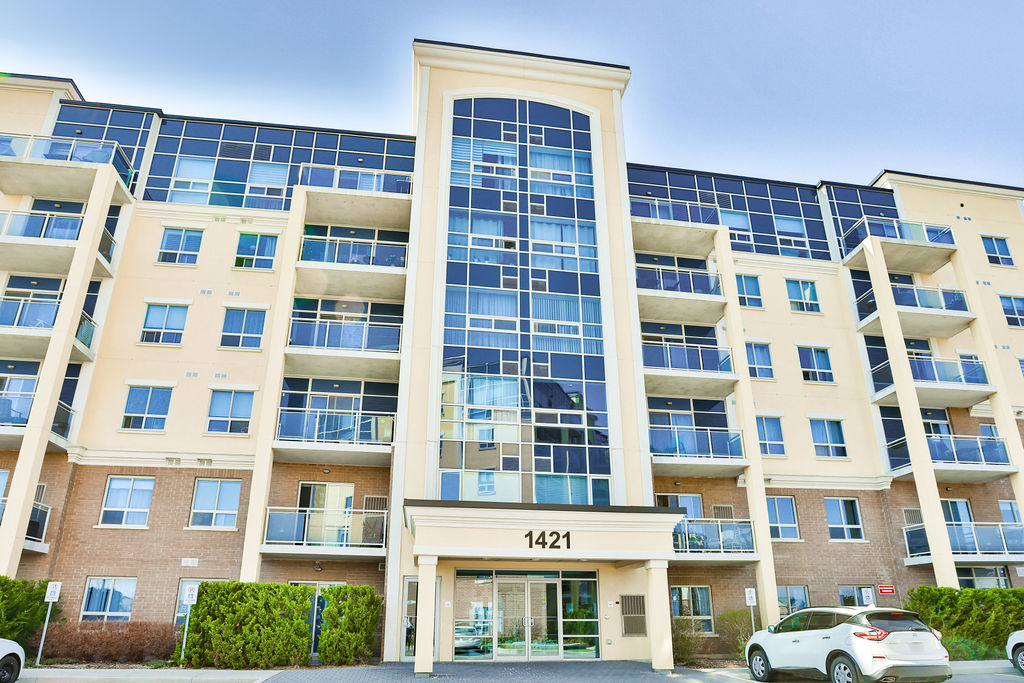
The Ambassador Condominiums consist of two six-storey buildings located at 1419 and 1421 Costigan Road in Milton. Build by Valery Homes in 2014, The Ambassador includes 150 units of varying sizes from 602 square feet all the way up to 1,354 square feet. 

Surrounded by green space and featuring beautiful building amenities such as a designer lobby and a sunroom lounge overlooking the yard, this condo was built to impress. The building amenities include a party room and exercise room.

Situated in a quiet residential neighbourhood, The Ambassador is close to the Milton GO Station as well as the 401 for easy commutes and transit access. The area also features abundant parks, walking trails, dining, shopping, and other conveniences. 

4. Viva and Viva2 Condominiums

Built in 2016 and 2017 respectively, Milton’s Viva and Viva2 Condominiums are situated in the residential neighbourhood of Clarke. These four-storey buildings are located at 1360 and 1370 Costigan Road. 

Close to outdoor recreation such as parks, walking and bicycle paths, and more, these condos are perfect for first-time buyers who want to capture the beauty, convenience, and comfort of living in south Milton–an area that is quickly on the rise! 

With one and two-bedroom options and floorplans ranging from 585-1,040 square feet, Viva and Viva2’s open-concept, contemporary design provides opportunities for first-time buyers, investors, and downsizers alike. 

The buildings feature a party room and proximity to transit like the 401 and Milton GO Station. 


Buying your first home can be complicated, but it doesn’t have to be! Read some of our first-time homebuyer blogs right here:


5. Parkside Residences 

Located at 1379 Costigan Road, Parkside Residences is a six-storey condominium complex built in 2010. As part of the Milton neighbourhood of Clarke, this condo is situated close to many local amenities such as shopping, dining, conveniences, and recreation. 

With units ranging from 619-1,056 square feet, and being an older building, Parkside Residences is perfect for buyers entering the market for the first time. Building amenities include a party room, barbecues permitted, visitor parking, and more. 

One thing to note about Parkside Residences is a pet restriction, so if you have pets, this building might not be for you. 

You can also download our Buyer’s Guide to learn everything you need to know about buying a home with the Katherine Barnett Team. Download the guide for free here. 

6. Art on Main

As the newest condo on our list, Art on Main is an incredibly stylish, luxurious, all-encompassing condo experience. Built by Fernbrook Homes, Art on Main is located at 1050 Main Street East in Milton. 

Featuring 2-bedroom and 2-bedroom + den floorplans, Art on Main is redefining the local condo experience. With exceptional finishings and absolutely astonishing building amenities, Art on Main is sure to attract buyers looking for an elevated experience in one of Milton’s most exciting neighbourhoods. 

Close to incredible neighbourhood amenities and featuring ground-level retail in the building, Art on Main has everything you need. Building amenities include a state-of-the-art fitness centre, pool, party room, billiards room, rooftop terrace, barbecue stations, pet spa, and 24-hour concierge service. 

When you are considering taking your first step into the real estate market, a Milton condo is an excellent investment to start with. Whether you crave the condo lifestyle or you see owning a condo as a great way to build equity before upsizing into a detached home, Milton condos are always in demand for buyers, investors, and renters alike. 

5 Questions You’ve Always Wanted to Ask a Mortgage Broker

10.26.21 | For Buyers

5 Questions You’ve Always Wanted to Ask a Mortgage Broker

As a real estate team, one of our most important relationships is with the mortgage brokers we work with. Aside from finding your ideal property, the most significant part of the home buying process is securing a mortgage and payment terms. 

At the Katherine Barnett Team, we work closely with several mortgage brokers. The reason we work with several is that much like choosing a real estate agent, choosing a mortgage broker is a very personal decision. It’s important to choose an individual who gels with your personality and can help you achieve your goals and meet your budgetary needs. 

In this post, we’re talking Agnes Mocko of Mortgage with Agnes and Joanna Skowron of The 6ix Mortgage Group to answer the questions you’ve always wanted to know about working with a mortgage broker. 

1. First of All, What’s the True Difference Between a Mortgage Broker and a Bank?

Joanna: When you go straight to the bank, you only have access to what that particular bank offers, and those mortgage programs may not be in alignment with what you need. However, working with a broker is a one-stop-shop! We collect the same information the bank does, but what’s different is that we have access to the whole spectrum of lenders at our fingertips, which includes the bank you were considering going to!

Agnes: Also, a bank has a certain type of box they need their applicants to fit into, which is why a lot of people get turned down. Mortgage Agents provide expert advice and work alongside their clients throughout the entire process. It’s almost as if you have a Google search engine in your back pocket throughout your entire homeownership journey.


Looking for more first-time homebuyer resources? You’ve come to the right place! Check out some of our other blogs:


2. How Soon Should You Start the Mortgage Application Process when Buying a Home? 

Agnes: You should at least have a conversation with a Mortgage Agent as soon as you begin considering buying a home. The reason for this is because sometimes applications need some tweaking in order to get to the desired purchase price. A good mortgage agent can provide you with advice on how to meet your goal once that time comes. When it comes to a pre-approval, it is important to get one done prior to contacting a realtor. The reason for this is because once you have your pre-approval, you can confidently look for homes within your budget, avoiding any disappointment or wasted time on homes that may not be in your reach. 

Joanna: I would also add that the speed at which a client gets pre-qualified mainly depends on how quickly the required documents get sent over. I would recommend speaking with a mortgage agent about a week prior to house hunting to give a client adequate time to collect their paperwork and enough time for a mortgage agent to input all the information and ask for clarification if need be! 

The great thing about getting a pre-approval is that it offers a ‘rate hold’ that lenders will honour the interest rate the client has been pre-approved for or will adjust the interest rate if it drops for up to 120 days. 

3. Fixed-Rate Vs. Variable: Which Type of Mortgage is Better? 

Joanna: I wouldn’t necessarily say one is better than the other because it depends on what the client is comfortable with. If you’re the type of person who likes to know exactly how much you’re paying each month for peace of mind, I would recommend a fixed rate. If you’re the type of person who is okay with fluctuation in the payment, paying a little bit more or a little less, depending on how interest rates are looking, a variable rate could be the way to go. 

However, generally speaking, variable rates tend to be lower, and historically have shown to be less expensive in the long run.  

Agnes: It’s important to understand the penalties within the mortgage contract when making your decision. It’s quite common to see Canadian homeowners break their fixed mortgages. And fixed-rate penalties use either the greater of three months interest or a calculation known as the “Interest Rate Differential” (IRD). This is the difference between the interest rate attached to your mortgage and how it compares to a current rate that most closely matches your remaining term at that point in time. The issue is no one knows where interest rates are heading, making it impossible to predict. 

Variable mortgage penalties, on the other hand, typically only consist of up to three months of interest. 


Check out more homebuyer resources right here:


4. What’s the Number One Thing First-Time Homebuyers Should Know? 

Joanna: Get pre-approved! In a market where homes are flying off the shelves, it is extremely important to know what your budget is. Something I say all the time is house hunting without a pre-approval is like going shopping without knowing how much money you have in your wallet.

And with this pre-approval, the actual submission of your mortgage application is a lot easier. Because the majority of work has been completed in advance, you won’t have to worry about scrambling for paperwork in such a fast-paced environment. 

Agnes: I would say to get into the market as soon as you can afford it. You can buy a home with as little as 5% down. Be open-minded when looking for your first home. Remember, you are making an investment.

5. What’s the Difference Between a Mortgage Renewal and Mortgage Re-Finance?

Joanna: When the term of your mortgage is close to expiring, you’ll receive a notice from your lender offering you the option of renewing that mortgage with a new rate, and term. It’s a straightforward process stating that you’d like to move forward with your current lender, under the new specifications. 

Agnes: Refinancing a mortgage means you are replacing your existing mortgage with a new mortgage to do things like fund a renovation, take out money to buy an investment, secure a better rate, consolidate debt, etc. 

In order to get the money to refinance, an appraisal needs to be conducted on the home and the current mortgage balance is subtracted from this total. A borrower can then access up to 80% of the remaining amount. However, the borrower needs to qualify for this new mortgage amount.

Interested in learning more about mortgage rules and working with a mortgage broker? We host two webinars with Joanna and Agnes each month! Register for the next webinar here and join us live! 

Everything You Need to Know About Buying a House with a Basement Apartment

10.5.21 | Homeowners

Everything You Need to Know About Buying a House with a Basement Apartment

Basement apartments are an increasingly popular trend we’re seeing among homeowners these days. As housing prices continue to rise, and the housing supply continues to diminish, people are looking for alternative ways to navigate the market. 

If you followed the recent federal election, you’d know that housing affordability was a major part of each party’s platforms. However, policies and laws can only go so far and many Canadians want to take things into their own hands. This is where secondary suites and basement apartments come into play. 

Here’s everything you need to know about buying a home in Milton with a basement apartment…

What Defines a Basement Apartment?

Basement apartments, sometimes also called secondary suites or accessory apartments are defined as a “self-contained dwelling” created by converting a section of the main dwelling into a secondary dwelling. 

Basements make popular accessory suites because it’s often fairly easy and inexpensive to turn a basement into its own apartment. 

What are The Benefits of Basement Apartments? 

Whether you’re a first-time homeowner or an empty nester, there are many benefits to having a basement apartment as part of your house. 

Getting your foot into the real estate market as a first-time buyer can be difficult. As home prices in Canada continue to rise, it’s becoming increasingly hard for young people to afford to buy a home. For these types of buyers, a basement apartment is a great option because it means they can collect rent from a tenant to help supplement their mortgage payments, improving affordability overall. 

Empty nesters can also reap the benefits of a basement apartment. These types of homeowners are typically dealing with excess space in their homes. If they aren’t quite ready to downsize but want to maximize the use of their space and make a little extra money, a basement apartment is a great option. 

Basement apartments are essentially real estate investments and can be used to further your space in the market, give exceptional landlord experience, and help you increase your investment portfolio. 

Buying a House with an Existing Basement Apartment vs. Building New

Basement apartments can significantly increase the value of a home. So if you are in the market for a property with an existing basement apartment, expect to pay a higher price initially. 

However, building a basement apartment might take an initial lump sum investment on your part, but in turn, will increase the property value should you want to sell later. 

If you’re currently in the market for a home, and you know you want to rent out the basement, it’s certainly worth looking into buying a house that has an existing basement apartment. It would save a lot of work and time on your part. 

However, it’s also important to consider the ROI. Do some research into how much building an accessory suite would cost vs. how much rent you could charge in that neighbourhood. This might give you a better idea of whether or not buying an existing house with a basement apartment is better for your unique situation rather than renovating and building your own. 


Ready to buy a home? Get started here:


Thinking About Building a Basement Apartment? Don’t Forget About the Legalities

Building a basement apartment in Milton requires some careful planning and consideration on the homeowner’s part. For example, before you start building, you need to obtain a building permit and ensure your apartment meets certain regulatory standards:

  • The basement apartment must be located in a detached single-family home. 
  • It must have access to municipal sewer and water with either laundry in-suite, laundry connections, or shared laundry services.
  • There must be at least three legal parking spaces on the property.
  • Ceiling height must be at least 6′ 11″ (2.11 m), and 6’5″ under beams
  • It must not be greater than 85m² or 915sq/ft in size. 
  • 45 min floor and wall fire separation (requirements are different in older buildings)
  • The dwelling must have its own private entrance.
  • The home must have a walkout egress or window egress with a minimum 3.8 sq/ft clear opening.
  • The building must have all the appropriate permits and inspections.

Legal vs. non-legal basement apartments is a hot topic in Milton and the GTA. Learn more about it in our blog What Makes a Basement Apartment Legal in Milton here.

How to Maximize Your Basement Apartment Income

Building a basement apartment is more than just sectioning off a part of your home and collecting rent. You are essentially becoming a landlord, which comes with significant responsibility. 

Although no two renters are alike, here are some general features that renters look for in a basement apartment:

  • High-quality appliances and finishes (think, faucets, tub, shower, sink)
  • Higher-than-average ceilings
  • Large, bright windows
  • Nice lighting 
  • Open-concept floorplans
  • All-inclusive utilities 
  • Proximity to public transit, healthcare, grocery, and amenities

Read our quick guide to Milton Real Estate here to learn more about the best neighbourhoods for your unique needs.

It’s also important to attract the right type of tenant for your property. Consider your location and your ideal tenant and ensure that you are doing everything you can to attract that type of person to your listing. It’s also a good idea to complete credit checks and have your tenants fill out applications before agreeing to rent the apartment. 

Did you know we host first-time buyer webinars every month? Sign up to join our next webinar for FREE here.

Costs Of Buying A Home

08.12.21 | For Buyers

The True Cost Of Buying A Home: What You Need to Know

When eager new homebuyers begin saving up for a home, it’s easy to fall into the trap of putting on the blinders and fixating on saving up towards one number in particular.

However, buyers can often forget to factor in the additional secondary and tertiary costs it takes to buy a home. For all buyers, new or recurring, these are critically important costs to know about.

So, whether you’re a first-time buyer or have set your sights on moving up, here’s a breakdown of some of the true costs you need to consider when buying a home.

The Deposit

The first expense you should plan for is the deposit. This is a percentage of the total cost of the home that gets paid to the seller or Seller’s agent brokerage right away to essentially “hold” the sale and show the seller you are committed to the purchase. Typically, a deposit is 5-10% of the total purchase price and is required to be paid within 24 hours of the offer.

The deposit also must be made in the form of a certified check, bank draft, wire transfer or Etransfer, which means a homebuyer will need fast access to funds when putting in offers. This money is typically paid to the Seller’s Realtor’s Brokerage company or sometimes to the seller’s lawyer to be held in trust until the home closes.

The higher your deposit, the more committed you may look to sellers and the more desirable your offer comes across. Once the deal is finalized, your deposit money can go towards closing costs or towards your down payment, which brings us to the next cost you need to plan for.

The Down Payment

A down payment is different from a deposit. The down payment is a lump sum payment that goes toward the final purchase of your home. In Canada, there are some rules around down payments. The minimum down payment you can pay is 5% for a home valued at $499,000 or less and 10% for homes valued at $500,000-$999,000. For homes over $1 million, buyers are required to pay at least 20%.

If possible, paying more than the minimum down payment amount is better because it means you will pay your mortgage off sooner, pay less interest, and build equity more quickly.

There’s nothing more fun than fantasizing about what your next home could look like. However, with the help of our Featured Listings page here, you don’t have to daydream quite as hard.

Your Mortgage And Interest Rates

Once your down payment has been accepted, you can deduct that amount from the final sales price of your new home. To account for the rest of the sales price, you’ll need to take out a mortgage.

Mortgages are essentially loans for homes. The total amount of your mortgage depends on a few factors, such as the cost of the home you’d like to buy, the amount of your down payment, what you qualify for based on your annual income, what your monthly expenses are, and your employment history.

Generally speaking, it’s either banks or private mortgage brokers who grant you a mortgage. Whoever you secure your mortgage from, you’ll have agreed on the total amount of your loan and the structure of how you’ll pay it back. In most cases, it’s in the form of a monthly payment to your lender, which will include an interest rate.

This means that if you’ve agreed to put down $2,000 per month towards your home, for example, this fee, plus whatever your mortgage interest rates are, will go to your lender.

What About Mortgage Insurance?

If you are unable to pay the minimum down payment for your purchase, you may still be able to get a mortgage, however, you will be required to purchase mortgage insurance

Mortgage insurance is an added cost that protects the lender since the lender is typically taking on more risk with a lower down payment.


Are you planning on becoming a first-time homebuyer? Ensure you’re well-informed about everything you need to know about your upcoming purchase by reading these related posts:


Land Transfer Tax

The province of Ontario requires homebuyers to pay them an additional fee called the Land Transfer Tax. Essentially, this reflects the provincial government’s cost of permitting you to transfer the title of property between their jurisdiction.

While each province has its own set of Land Transfer Tax rates, the amount you have to pay increases depending on the cost of your new home. The more expensive your new home, the higher the percentage of its value you have to pay in Land Transfer Tax.

In Ontario, the set of Land Transfer Tax rates ranges from 0.5% to up to 2.5% of your home’s value. However, if you’re buying a home in the Greater Toronto Area, the City of Toronto requires buyers to pay an additional municipal Land Transfer Tax alongside the provincial tax.

The good news for first-time homebuyers is that you may be eligible to have all or part of this one-time fee refunded. Eligibility for this refund requires buyers to qualify based on these criteria:

  • The buyer must be a Canadian citizen or permanent resident of Canada
  • The buyer must be older than 18 years
  • The buyer must occupy the home within nine months of purchase
  • The buyer cannot have previously owned a home anywhere in the world
  • The buyer’s spouse cannot have owned a home while being your spouse

If that applies to you, then you can apply for a refund of the full amount of your Land Transfer Tax or up to a maximum of $4,000.

Lawyers’ Fees

In order for both the buying and selling parties to ensure they’re conducting a legitimate and viable transaction, it’s a real estate lawyers’ duty to review and approve all of the necessary paperwork and legal documents that are included in a transaction.

While both the buying and selling parties hire their own respective lawyers, both legal representatives work together to ensure the real estate transaction is completed smoothly and no contractual or legal details are overlooked.

As you might imagine, there are a lot of formalities and details that go into a real estate transaction, which is why it’s crucial you hire a dedicated real estate lawyer who has experience facilitating these types of deals. As with all lawyers, though, their services come with a fee, which you’ll need to factor into your overall budget as a homebuyer.

Whether you’ve already got an idea of who you’d like to hire or need help finding a legal representative, we work with a set of highly respected and experienced real estate-specific lawyers that we’re always prepared to recommend to our clients should they need it.


There are no ifs, ands, or buts about it — the safest way to buy a new home is through the help of a knowledgeable and experienced local Realtor®. Learn more about what we do, how we help, and how you can find the Realtor® that’s right for you here:


Your Homeowners’ Insurance

Homeowners’ insurance is a form of property insurance that protects you, the homeowner, from any damages to you or your property once you own your new home. It’s also a requirement to get a mortgage.

In paying a monthly fee to a homeowners’ insurance provider, you are in essence paying for peace of mind. If any damages were to occur to you or your new home, your insurance provider would provide you with funds (up to a certain number) to pay for the cost of fixing the damages.

Although all insurance plans and providers are different, most homeowners’ insurance policies generally cover the costs of things like interior damage, exterior damage, the loss or damage of personal assets or possessions, and any personal injury that occurs on your property.


Interested in learning more about how we can help you make your upcoming home purchase the best buy of your life? Read all about our buying process and how we’ve helped buyers just like you find their dream homes the first time here: