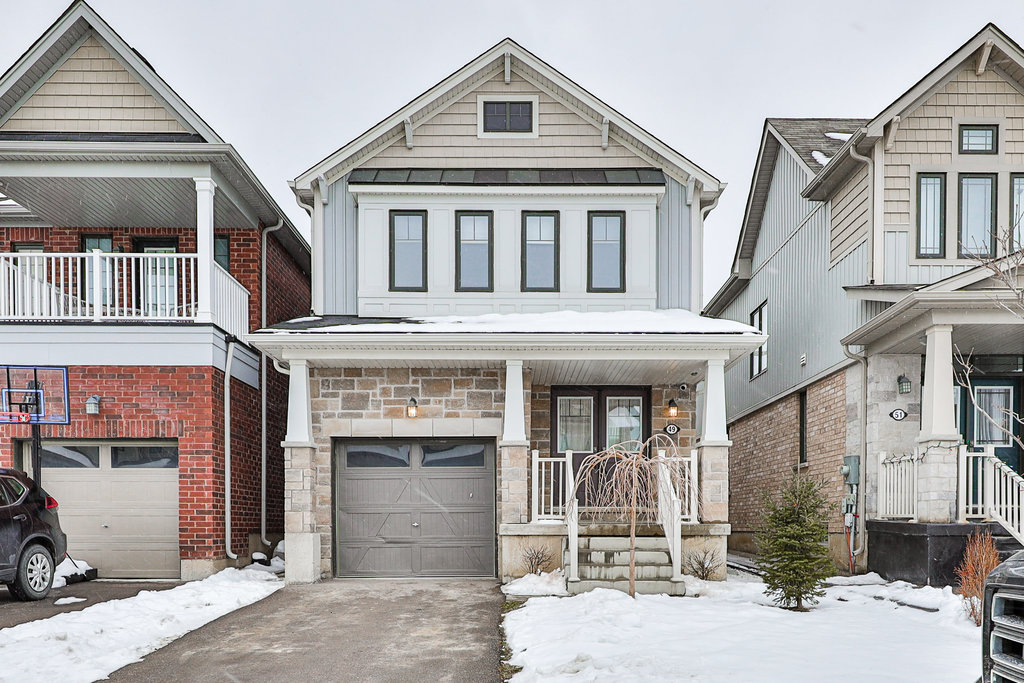

02.28.25 | For Buyers

Milton, Ontario Real Estate Market Analysis – Is Now a Good Time to Buy?

Buying a home is a big decision, and market conditions play a crucial role. Here’s a breakdown of Milton’s real estate trends to help you decide if now is the right time to buy.

Current Home Prices & Market Trends

As of early 2025, Milton’s average home price is $1.04M, holding steady year-over-year. Detached homes remain the priciest at ~$1.34M, while townhouses and semis are around $1M, and condos sit in the $600K range. The market has stabilized after the volatility of previous years, meaning buyers are no longer dealing with rapid price fluctuations.

Interest Rates & Affordability

Mortgage rates spiked in 2022-2023 but have since eased. In early 2025, 5-year fixed rates dropped from ~6% to ~4%, increasing buyer affordability. Lower rates mean lower monthly payments and improved mortgage qualification, making homeownership more accessible than it was a year ago.

Buyer’s Market Conditions

Milton currently favours buyers. New listings surged 78.9% in January 2025, and homes are sitting on the market longer, giving buyers more choices and negotiation power. The sales-to-new-listings ratio (SNLR) is 36%, firmly in “buyer’s market” territory. This means less competition, more inventory, and potential price flexibility.

Government Incentives & First-Time Buyer Programs

New policies, such as 30-year amortizations for insured mortgages and the First Home Savings Account (FHSA), are making homeownership easier. First-time buyers can also benefit from land transfer tax rebates, RRSP withdrawals, and tax credits to offset upfront costs.

Economic & Population Growth

Milton is one of Canada’s fastest-growing towns, with a young, high-income population driving housing demand. With new infrastructure, jobs, and planned developments, the long-term outlook remains strong, making real estate a solid investment.

Expert Predictions & Final Thoughts

Market analysts predict a modest 2-6% price growth in 2025, meaning today’s buyers can purchase without the frenzy of past years while securing a home before prices edge up. With affordability improving, inventory high, and incentives in placenow is a strategic time to buy in Milton before competition heats up in the spring market.

03.11.25 | For Buyers

Ontario’s Housing Market Heating Up, Prices on the Rise

Ontario’s real estate market kicked off 2025 with a bang, as home prices surged with more buyers willing to step into the market. In just six weeks, the average home price surged nearly 8%, driven by pent-up demand and favorable economic conditions. We believe this trend is taking shape and will play a key role in the upcoming spring market. Here’s why.

The Numbers: A Rapid Price Surge and Sales Volatility

Since the first week of January, Ontario’s housing market has been on a surprising upward trajectory. In Week 1, the average home price stood at $799,780, but by Week 5, prices had jumped to $845,719—a gain of over $45,000 in just one month. As of the latest data, the average price has climbed further to $862,297, with a brief peak of $870,102 in Week 6 before modest stabilization.

Sales activity tells a similarly dynamic story. Initially, only 1,112 homes were sold in Week 1, but buyer enthusiasm quickly intensified, driving sales to 2,409 by Week 5 and a high of 2,490 in Week 6. However, recent weeks have seen a slight cool down, with transactions dipping to 1,762. Despite this pullback in sales volume, prices remain elevated due to persistently low inventory and competitive bidding.

What’s Fueling the Frenzy?

Stabilizing interest rates and optimistic economic forecasts are luring many buyers back into the market. The Bank of Canada’s decision to cut rates to 3%—a historic low—has made mortgages more affordable, encouraging first-time buyers and investors to rethink their decision to hold off.

Ontario’s surging home prices stem from three key drivers: seasonal demand, investor activity, and delayed market adjustments. The start of the year typically sparks a rush of buyers aiming to purchase before spring’s peak competition, while investors add pressure by snapping up properties for rentals or resale, shrinking inventory and fueling bidding wars. Meanwhile, after a sluggish late 2023, where prices stagnated, the market is now playing catch-up, with values climbing rapidly to reflect today’s imbalance of high demand and low supply. Together, these forces are pushing prices upward at an unprecedented pace.

The Role of Interest Rates

The Bank of Canada’s rate cuts have been a game-changer. By reducing borrowing costs, the central bank has injected fresh liquidity into the housing market. For many buyers, this has lowered the barrier to entry, particularly for those who had been sidelined by higher rates in previous years.

What’s next for Ontario’s Housing Market?

Experts predict the upward price trend will persist in the short term. With demand outstripping supply and interest rates remaining favorable, analysts project the average home price could reach $900,000 in the coming weeks. However, the recent dip in sales—from 2,490 in Week 6 to 1,762—suggests that affordability concerns may begin to temper activity. Yet, as long as inventory remains tight, prices are unlikely to decline significantly.

Advice for Buyers and Sellers

For buyers, the window to act is narrowing. Securing a mortgage at current rates could save thousands compared to waiting for potential rate hikes later this year. Pre-approvals and swift decision-making are essential in this competitive environment.

Sellers, on the other hand, are in a strong position to capitalize on rising demand. Pricing strategically and staging homes effectively can maximize returns, especially as bidding wars become more common.

A Market at a Crossroads

Ontario’s housing market is at a pivotal moment. While prices continue to climb, the slight slowdown in sales signals that affordability pressures may soon test the market’s resilience. For now, buyers and investors are racing to lock in deals before costs rise further while policymakers grapple with balancing growth and accessibility.

One thing is clear: In a market such as this, staying informed and agile is the key to success. Whether you’re buying, selling, or simply watching, Ontario’s real estate landscape promises to remain a headline-maker in 2024.

Source: The Canadian Home

02.12.25 | For Buyers

Selling Your House in the Winter

When winter rolls around, many people assume the real estate market goes into hibernation. But if you’re considering selling your house in the winter, there’s no need to wait. In fact, selling a house in winter vs spring comes with unique benefits. With fewer homes on the market and more motivated buyers, winter could be the perfect time to list your home and reap some unexpected financial rewards.

Less Competition Means More Attention

Because there aren’t as many homes on the market during winter, that’s a huge plus for sellers. In the busy spring and summer months, your property can get lost in a sea of listings. When selling your house in winter, it is more likely to get the spotlight. Serious buyers are scrolling through fewer options, and your property has a better chance of catching their eye. If you price your home right and make it look inviting, you’ve got a real shot at standing out. But don’t overprice your home, thinking buyers are desperate—it can backfire. People are still doing their homework. And don’t forget to update your listing photos to reflect the season. A snow-covered yard might resonate more with buyers in January than a lush, green lawn from last summer.

Winter Buyers Mean Business

Do houses sell in the winter? Absolutely! Buyers who are shopping at this time of year are often the most motivated and less likely to back out of the deal. They’re likely relocating for a job, taking advantage of tax benefits, or facing life changes that can’t wait. These aren’t casual browsers. They’re ready to make decisions quickly, leading to faster offers and smoother negotiations. These buyers often have tight schedules, so flexibility is essential. Be sure to prepare your home for winter. If your home is hard to access, say, due to bad weather, it could deter them. Keep driveways and walkways clear and safe to ensure buyers can view your home without hassle.

Your Home’s Strengths Shine in Winter

Winter weather puts your home’s durability to the test, which can work in your favour. A warm, dry, and inviting house creates a lasting impression, especially when buyers are looking for comfort during colder months. Practical features like energy-efficient windows, a reliable heating system, and advanced energy solutions can set your home apart in the winter market. A well-maintained roof, clean gutters, and a tidy exterior show that the property is well cared for and prepared to handle any season. Address any winter maintenance issues like drafty windows or uneven heating before showings, because buyers will notice.

Winter Warmth Sells

Winter’s chill is the perfect backdrop to showcase your home’s cozy, inviting vibe. When selling a house in winter, warm lighting, comfy blankets, and even a crackling fireplace can turn your space into a haven buyers will fall in love with. Don’t go overboard with holiday decorations. A simple wreath or a bowl of pinecones can create charm without overwhelming the space.

Quicker Sales Are on the Table

Selling a house in winter vs spring can mean faster transactions. You don’t need to wonder, “Do houses sell in the winter?” They do, and often with unique advantages. With fewer homes on the market, buyers are pushed to act quickly, and real estate professionals like agents, inspectors, and appraisers often have more availability during this time. This can lead to quicker closings and less waiting around. However, avoid rushing into accepting an offer without considering it carefully. Some buyers may try to negotiate aggressively, thinking winter sellers are more eager. Stay firm and work with your agent to get the best deal.

Financial Benefits of Selling in Winter

Selling your house in the winter could have financial perks. Closing a deal before December 31 may allow you to offset capital gains with other investment losses for the year, reducing your taxable income. Expenses like real estate commissions, staging, or upgrades made to prepare your home for sale can also reduce your taxable gain, helping you save money. Tax rules can vary based on your situation, so consulting a tax professional is always a good idea. They’ll help you understand your deductions so you can take advantage of every financial benefit available. Keep detailed records of all selling-related expenses for easy reporting to the CRA.

Selling a house in winter doesn’t have to be a challenge. It can be a golden opportunity. At RE/MAX, we bring the expertise, tools, and local knowledge you need to maximize your home’s potential. Whether it’s working with motivated buyers, highlighting your home’s cozy charm, or leveraging the unique perks of selling a house in winter vs spring, we’re here to guide you. Contact your local RE/MAX agent today to make the most of your winter sale!

Source: Re/Max Canada

12.12.24 | For Buyers

BoC Implements Second Consecutive Large Rate Cut

Benchmark Interest Rate Now Set at 3.25%

In a widely anticipated move, the Bank of Canada (BoC) has followed up its previous rate cut with another half-point reduction to its benchmark interest rate, which now stands at 3.25%. This is the fifth consecutive rate cut, despite a slight uptick in inflation, which rose to 2% in October from 1.6% in September. While inflation remains at the BoC’s target, the central bank has expressed growing concerns about the overall health of the economy.

Interest Rates and the Canadian Housing Market

Looking ahead to 2025, the housing market in Canada is expected to rebound, according to the latest report from RE/MAX Canada. The positive outlook is fueled by a series of interest rate cuts in the latter half of 2024, with more rate reductions predicted in 2025. As buyers are expected to return to the market, sellers have begun listing more properties. The national average residential price is forecast to rise by 5% next year, with home sales projected to increase in 33 out of 37 major markets, in some cases by up to 25%.

Despite ongoing affordability challenges, the series of interest rate cuts and adjustments to the mortgage stress test are providing much-needed relief for prospective buyers, particularly first-time homebuyers. However, an uptick in sales combined with limited housing supply is likely to drive prices higher, a trend that is expected to emerge across most Canadian housing markets.

According to Christopher Alexander, President, RE/MAX Canada

Bank of Canada’s 2025 Policy Interest Rate Schedule

The Bank of Canada announces its overnight rate target eight times a year, usually on Wednesdays. The schedule for 2025 is as follows:

  • Wednesday, January 29
  • Wednesday, March 12
  • Wednesday, April 16
  • Wednesday, June 4
  • Wednesday, July 30
  • Wednesday, September 17
  • Wednesday, October 29
  • Wednesday, December 10

Full Interest Rate Announcement:

The Bank of Canada has reduced its target for the overnight rate to 3.25%, with the Bank Rate at 3.5% and the deposit rate at 3.25%. This decision is part of the Bank’s ongoing efforts to normalize its balance sheet.

The global economy is largely evolving as expected, according to the BoC’s October Monetary Policy Report (MPR). In the United States, the economy remains strong, supported by robust consumer spending and a solid labor market, though inflationary pressures persist. In Europe, growth indicators have weakened, while in China, a combination of policy actions and strong exports is driving growth, though household spending remains subdued. Globally, financial conditions have eased, and the Canadian dollar has depreciated against a stronger US dollar.

In Canada, the economy grew by 1% in the third quarter, slightly below the BoC’s previous forecast, and the outlook for the fourth quarter remains weaker than anticipated. Business investment, inventories, and exports all contributed to the softer growth, while consumer spending and housing activity showed signs of improvement, suggesting that lower interest rates are beginning to boost household spending. Revisions to historical GDP data also indicate that investment and consumption have been higher than previously reported.

The unemployment rate rose to 6.8% in November, as employment growth lagged behind the increase in the labor force. While wage growth showed some signs of easing, it remains elevated relative to productivity.

Several government policy measures, including reduced immigration targets and changes to the GST and mortgage rules, will have an impact on growth and inflation in Canada. While these measures are expected to dampen demand, the BoC is focusing on long-term trends in its policy decisions.

The Bank of Canada notes that core inflation has remained close to the 2% target since the summer, with shelter-related price pressures moderating and goods prices also easing. The temporary GST holiday is expected to lower inflation in the short term, but this effect will reverse once the holiday ends.

Given that inflation is holding steady at around 2% and the economy is operating below potential, the BoC has reduced the policy rate by 50 basis points to stimulate growth and ensure inflation stays within the target range. The central bank will continue to monitor economic conditions and adjust its policy as necessary to maintain price stability.

Source: Re/Max Canada

11.14.24 | For Buyers

Canadian Real Estate: What to Know Before You Buy

There’s no denying that Canadian real estate is valued, on many different levels. Owning is a way to plant roots, create security and build wealth. In fact, investing in the housing market how many of the world’s richest people have earned their fortunes, and it’s how many Canadians finance their retirement or build generational wealth.

Ultimately, the decision to buy a home is a very personal one that depends on a number of factors, such as your financial fitness, your lifestyle and your future plans. The good news is, professional real estate agents, mortgage brokers and real estate lawyers are there to advise you as you dive in. Here are some important things to consider, to help get you thinking about whether buying a home in the current Canadian real estate market is right for you.

5 Questions to Ask Before Buying Canadian Real Estate

Can I afford to buy Canadian real estate?

Buying real estate involves up-front costs, which can include things like your deposit, down payment, home inspection and appraisal fees, property insurance, land transfer tax, title insurance, legal fees and moving expenses. Click here to explore the cost of home ownership.

Then, there are ongoing costs that include property tax, regular maintenance, condo fees if you choose this type of property, and utilities. If you’re saving some money up-front by buying a fixer-upper, you’ll also need to also factor in renovation costs at some point.

Here are some strategies to spend less, and save more.

Do I have too much debt?

When buying real estate, most people will take on a mortgage. Lenders evaluate your costs versus income to determine your qualification. Your Gross Debt Service ratio is your housing costs (mortgage principal and interest + property taxes + heat + 50% of your condo fees, if applicable) divided by your pre-tax income. According to Canada Mortgage and Housing Corp., your GDS ratio should be 39% or less.

Then, lenders look at your Total Debt Service ratio: all debt (GDS + car payments + alimony + other loans + the remaining 50% of your condo fees) divided by your pre-tax income. CMHC says your TDS ratio should be less than 44%.

Click HERE for to calculate your GDS and TDS.

Am I secure in my job?

Think about this honestly. Is business bustling? Is the industry in a growth period or is it on the decline? Are you comfortable with the hefty and lengthy financial commitment of home ownership?

Speak to your supervisor to get some additional insight. Mortgage lenders like to see stable employment, and you’ll need to provide proof of income in the form of an employment letter or current pay stub, your position and length of employment, and if you’re self-employed, Notices of Assessment from the Canada Revenue Agency for the past two years.

Click HERE to find out what else mortgage lenders look for.

Am I sticking around?

Buying real estate has historically proven to be a good long-term investment. Ask your parents how much they paid for their home 30 years ago, and compare that to current market value. Changed are, their investment has grown. On the other hand, a quick sale can mean financial losses if the home’s appreciation doesn’t surpass closing costs, which are estimated at 1.5% to 5% of a home’s value.

Typically, the magic number to stay in the home before putting it back on the market is five years – hence the five-year plan.

Do I even want to own a home?

People invest in the Canadian real estate market for a slew of different reasons. For homeowners, this is a method of forced savings for retirement and future generations, while also fulfilling the basic need of providing shelter. It’s also a great source of pride for many. Picture yourself in five years. Do you plan to relocate at some point? Where will you work? What’s your family structure? Then, consider how home ownership fits into the bigger picture.

Thinking about making a move? We can help you determine what the best strategy is for you and your family. Reach out to us today.

Source: Re/Max Canada

10.11.24 | For Buyers

Government Unveils Boldest Mortgage Reforms in Decades to Enhance Homeownership Opportunities for Canadians

Canadians put in significant effort to afford a home, but high mortgage payments pose a challenge, particularly for Millennials and Gen Z. To assist younger generations in purchasing their first homes, new mortgage regulations took effect on August 1, 2024. These rules allow for 30-year insured mortgage amortizations specifically for first-time buyers of new constructions.

Chrystia Freeland, Deputy Prime Minister and Minister of Finance unveiled a range of reforms aimed at making mortgages more affordable and promoting homeownership among Canadians:

  1. Increasing the Insured Mortgage Cap: The cap for insured mortgages will rise from $1 million to $1.5 million, effective December 15, 2024. This adjustment reflects current market conditions and aims to help more Canadians qualify for a mortgage with a down payment below 20 percent. The cap has remained unchanged since 2012.
  2. Expanding Eligibility for 30-Year Amortizations: Starting December 15, 2024, all first-time homebuyers and buyers of new builds will be eligible for 30-year mortgage amortizations. This will lower monthly mortgage payments and encourage the purchase of new constructions, including condos. This initiative builds on the commitment from Budget 2024, which also introduced 30-year amortizations for first-time buyers of new builds.

These initiatives are part of the enhanced Canadian Mortgage Charter, introduced in Budget 2024, which allows insured mortgage holders to switch lenders at renewal without undergoing another stress test. This change promotes competition among lenders and allows more Canadians with insured mortgages to secure better deals.

These reforms represent the most significant changes to mortgage regulations in decades and align with the federal government’s ambitious plan to create nearly 4 million new homes—Canada’s most extensive housing initiative ever—to support homeownership.

In tandem with efforts to improve mortgage affordability, the government is also taking strong measures to safeguard the rights of homebuyers and renters. As part of Budget 2024, the government has presented plans for a Renters’ Bill of Rights and a Home Buyers’ Bill of Rights. These proposals aim to protect renters from unfair practices, simplify lease agreements, enhance price transparency, and make the home-buying process more equitable. The government is collaborating with provinces and territories to implement these plans, utilizing $5 billion from the new Canada Housing Infrastructure Fund. This initiative includes calls for measures to prevent renovictions, ban blind bidding, standardize lease agreements, and ensure sales price history is accessible through title searches, all aimed at creating a fairer housing market across Canada.

Thinking about making a move? We can help you determine what the best strategy is for you and your family. Reach out to us today.

This salmon recipe is not only a simple, quick dinner (ready in 20 minutes!), but it’s a texture lover’s paradise. The salmon is roasted at a slightly lower temperature, resulting in tender, buttery fish. Quinoa is the base for our bowl, setting the stage for fresh arugula, thin slices of cucumber, and a homemade creamy dill and yogurt dressing. While a homemade dressing may seem like extra effort, trust us—it couldn’t be easier. It’s made in literal seconds in a food processor (if you have a mini food processor, even better!).

As long as you’re cooking some quinoa for this recipe, make a double (or triple!) batch, and you’ll find it’s super-handy to have on hand for easy, healthy lunches throughout the week. Tip: Our watermelon quinoa salad is unbeatable.

Ingredients

  • 4 (6- to 8-oz.) salmon fillets
  • Kosher salt
  • Freshly ground black pepper
  • 1/2 avocado
  • 1/2 cup fresh dill, plus more for serving
  • 1/4 cup plain full-fat Greek yogurt
  • Zest and juice of 1 lemon
  • 2 Tbsp. extra-virgin olive oil, plus more for drizzling
  • 2 oz. baby arugula
  • 2 cups cooked tricolor quinoa
  • 2 Persian or 1 English cucumbers, halved lengthwise, thinly sliced
  • Flaky sea salt
  • Lemon wedges, for serving

Directions

Step 1

Preheat oven to 325º. Season salmon all over with kosher salt and pepper and arrange on a parchment-lined baking sheet. Bake salmon until opaque and flaky, 18 to 20 minutes.

Step 2

Meanwhile, in a food processor, combine avocado, dill, yogurt, lemon zest and juice, 2 tablespoons oil, and 2 tablespoons water; season with kosher salt and pepper. Pulse, adding more water if consistency is too thick, until dressing is smooth. Transfer to a small bowl.

Step 

In a medium bowl, season arugula with a pinch of kosher salt and pepper. Drizzle with oil and toss to combine.

Step 4

Divide arugula among bowls. Top with quinoa, salmon, and cucumbers. Drizzle with dill yogurt dressing, then sprinkle with more dill and sea salt. Serve with lemon wedges alongside.

Source : Delish

Milton Outdoors

06.2.22 | Milton

Fun Things To Do In Milton And Surrounding Area This Summer

The heat of summer is finally upon us. While some people can’t wait for the return of the cold weather, many are ready to embrace the summer and the fun activities around the Milton and Burlington areas. 

The list of things to do is endless, from free music festivals and exciting sports events to relaxing afternoons at the beach. You don’t have to drive for hours to get to a faraway cottage to make the most of the summer holidays. 

There are many places to spend the afternoon or even a weekend right around the corner. 


Is there a change coming up in the near future for your family? Here are some other posts to help guide you:


Here is a shortlist of our favourite activities to enjoy as the weather heats up.

Summer Camps

Imagine never hearing the words “I’m bored” all summer. It may sound like an impossible goal if you’re working full time and trying to find ways to keep your children engaged and occupied. 

  • An endless variety of summer camps might be the perfect solution. They provide fantastic opportunities to make friends and enjoy new experiences. You’ll find events dedicated to almost every theme imaginable. 
  • Stem Summer Camp engages children with technology and science while using fun themes like Star Wars, Avengers and even the Minions. 
  • Want to promote physical activity and get children away from electronics? Try Pedalheads, which offers cycling programs and classes for children between 2 and 12 years old. Are you looking for a one-stop shop to keep your youngsters busy and entertained all summer long? The Way of the Woods Summer Camp offers various nature and athletic programs for children aged 4 to 15. 

Summer Festivals

Almost nothing says summertime like joining in the fun at a festival, where you can enjoy games, bouncy castles and more, all to the background of talented musical acts. 

In Burlington and Milton, our festivals are a way of life. What’s on the calendar? 

  • The world-famous Sound of Music Festival kicks off on June 12 at Spencer Smith Park in Burlington. This year, the lineup includes well-known bands like the Tea Party, Bif Naked, Finger Eleven and Skid Row. Admission is free, but VIP tickets are available for front-row experiences! 
  • Don’t overexert yourself, however, because more fun is on the way.
  • The Downtown Milton Street SummerFest starts on June 18 and will showcase local businesses and offer a variety of fun activities for your whole family to enjoy. Live music, patios, buskers and bouncy castles will keep you entertained all weekend!
  • Get ready to indulge your sweet tooth near the end of June with the 40th Annual Strawbery Festival at the Milton Fairgrounds. What could be better than cakes, slushies and a strawberry pancake breakfast as you enjoy live entertainment? You’ll also be helping a worthy cause. Proceeds from the festival go to support the Milton District Hospital.

Everyday Fun in the Sun

With so many beautiful parks, trails and other amenities available, you don’t have to wait for a specific event to enjoy this summer. 

Explore the beauty of the Niagara escarpment at Rattlesnake Point. There is something for everyone, and no need to worry about actual rattlesnakes. The park gets its name from the winding paths forged by glaciers along the escarpment. Hikers of all levels can spend hours on the trails. Feel free to take it slow and enjoy the panoramic views from the lookout points. Adventurous hikers can climb to soaring new heights over the magnificent cliffs.

A visit to the Royal Botanical Gardens is a must over the summer! You could visit every week and never see the same garden as different plants are in bloom all season long. The Rock Gardens are breathtaking any time of the year, and the Arboretum offers some of the best hiking in the city. The marsh walk is a popular destination, and you may even spot an eagle if you’re lucky!

It’s not summertime until you’ve visited the Waterfront Park, where you can walk or cycle for hours along the shore of Lake Ontario. If you need refreshments, you’ll find dozens of ice cream shops, cafes and patios to visit and recharge.  


Looking for even more fun things to do nearby? There’s too much to list in a single post! Here are some other ideas to try:


Rainy Day Fun

There’s no need for a little rain to ruin the fun. In fact, with a 16,000-square-foot indoor play area like Lil’ Monkeys, the children might start searching for dark clouds! The facility features a bungee trampoline, soccer floor, a 6-level jungle gym and a new virtual reality arcade to keep kids six and over entertained for hours. There’s even a lounge area and healthy cafe where you can sit and relax and catch up with friends as the children play.

The Burlington Art Gallery and countless museums are another way to get out and enjoy the summer on a rainy afternoon – or any day for that matter!

Milton also has no shortage of fun things to enjoy when the clouds roll in. Enjoy an arcade game or a friendly round of bowling at Champs Family Entertainment Centre. The venue also features a private billiards lounge and a Mission Impossible Escape Room where you can choose your own difficulty.

The Mattamy National Cycling Centre even offers drop-in programs where you can ride your bike indoors no matter what the weather brings.

Do you think Milton or Burlington might be your next place to call home? We can help! You can ask us anything about buying or selling real estate right here.

04.4.22 | For Buyers

Your Guide to the First-Time Home Buyers Incentive – Is it Worth It?

Rising housing prices and inflation are causing financial challenges for many Canadians. Very few people are feeling the sting more than those aspiring to buy their first house. Lately, it seems that only those who enjoy very high incomes or have help from relatives can afford a place of their own. 

In light of the many challenges first-time buyers face, the Federal government introduced a piece of legislation called the “First Home Buyer Incentive.”

This program took effect in September 2019 as the average cost of housing prices began their steady, upward climb. On paper, the incentive might look like a dream come true for those struggling to buy a house, but there are some downsides to be aware of. 


Buying a home can be intimating, especially if it’s your first time. Here are some other resources that can help:


Here’s everything you need to know:

The First Time Home Buyer Incentive – How it Works

If you qualify, the government puts up to 5% of the down payment on a resale house or 10% on a newly constructed project. This incentive is designed to help in two ways:

  1. It makes it easier to afford the downpayment
  2. With a larger down payment, your monthly mortgage payments are more affordable

Can the First Time Home Buyer Incentive help someone who couldn’t otherwise afford a home? In some cases, yes. However, it’s important to know that this isn’t free money. The program is similar to a second mortgage, except no monthly payments are due. 

What Are the Downsides to the Program?

You Will Have to Repay – and Then Some…

When you sign up for the program, the government basically becomes a co-owner of your property. Any funds received through the program must be repaid either when you sell the property or within 25 years. What does that mean when buying and selling?

Let’s imagine you bought a condo for $480,000 in 2019. It was a new build, so the government gave you 10%, or $48,0000 upfront, for your down payment. Now, in 2022, you want to sell the condo, which has risen in value to $900,000. Upon closing, it’s time to pay back the incentive. However, it’s not a standard loan where you pay back the principle plus interest. The government has a stake in your property for 10% of the resale price. In this case, because the value has risen to $900,000, you’re on the hook for $90,000!

It’s Too Little, Too Late…

In 2019, the incentive may have helped some first-time buyers. Now, housing prices have soared, and it’s almost impossible to qualify. To be considered, you must:

  • Be a first-time buyer
  • Have a combined household income of less than $120,000

Even if you meet these requirements, the mortgage is capped at a maximum of four times your annual household income. If you earn $100,000, your mortgage must be $400,000 or less to qualify for the program. 

 In 2022, the average house price in Burlington or Milton stands at around $1.3 million. Unless you have a massive downpayment available, a mortgage capped at $400,000 isn’t helpful for most people.

Is the First Time Buyer Incentive even worth it? Only you can decide. However, there are other programs designed to help you that don’t give the government such a significant stake in your property.

Want more help getting into the market as a first-time buyer? Our comprehensive Buyer’s Guide can help. You can download it for free here.

The Canada Home Buyer’s Plan

This program allows you to withdraw up to $35,000 from an RRSP without tax penalty as a down payment toward your first house. Here’s what you need to qualify:

  • You must be a first-time buyer or buying on behalf of someone with a disability
  • You must be a resident of Canada
  • You must use the funds to buy property
  • Within one year of buying or building the home, it must be your primary residence

First Time Home Buyer Tax Credit

As a first-time buyer, you can claim up to $5000 on your tax return, which results in a $750 reduction in taxes. It may not seem like a lot of money, but it can go a long way toward your moving costs, legal fees or utility hookups.

Land Transfer Rebate

Whenever you buy property, the land transfer tax is one of the closing costs you must factor in. It can amount to several thousands of dollars which can not be rolled into your mortgage.

However, in Ontario, you can apply for a rebate of the provincial portion, resulting in a savings of up to $4,000.

To buy your first home, you’ll need some creativity and perseverance. Knowledge of how government incentive programs work can go a long way. 

Did you know that we offer a monthly webinar dedicated to helping first-time buyers? You can sign up for free right here.