03.11.26 | For Buyers

Guinness Chocolate Cake with Cream Cheese Frosting

Guinness Chocolate Cake with Cream Cheese Frosting

Ingredients

For The Chocolate Guinness Cake:

  • 2 cups Guinness (or other stout)
  • 2 cups (4 sticks) unsalted butter
  • 1 1/2 cups dark chocolate unsweetened cocoa powder (or regular unsweetened cocoa powder)
  • 4 cups all-purpose flour
  • 4 cups sugar
  • 1 Tbsp. baking soda
  • 2 tsp. salt
  • 4 large eggs
  • 1 1/3 cups sour cream

For The Cream Cheese Frosting:

  • 3 (8 oz.) bricks cream cheese, room temperature
  • 1 cup (2 sticks) unsalted butter, room temperature
  • 1 Tbsp. vanilla extract
  • 1/2 tsp. salt
  • 6 cups powdered sugar

Instructions

To Make The Cake:

  1. Preheat oven to 350°F.
  2. Butter three 8-inch round cake pans with 2-inch-high sides, and line the bottoms of the pans with parchment paper. Butter paper.
  3. Bring the Guinness and 2 cups butter to simmer in a large saucepan over medium heat. Add cocoa powder and whisk until mixture is smooth and no lumps remain. Transfer the mixture to the freezer and let cool for 10 minutes.
  4. Meanwhile, whisk flour, sugar, baking soda, and 1 1/2 teaspoons salt in large bowl to blend.
  5. In a stand mixer, beat the eggs and sour cream on medium speed until combined. Add the slightly-cooled Guinness mixture to the egg mixture, and beat on low speed just until combined. Add flour mixture and beat briefly on slow speed for 10 seconds. Using rubber spatula, fold batter the rest of the way until completely combined. Divide batter equally among prepared pans. (I use a kitchen scale to be sure that the cakes are even.)
  6. Bake cakes until a toothpick inserted into center of cakes comes out clean, about 35-40 minutes. Transfer cakes (within their pans) to rack, and cool 10 minutes. Then carefully turn cakes out onto rack and cool completely. Frost with cream cheese frosting once cooled. Keep cake covered in a sealed container, and refrigerate for up to 3 days, although this cake is best enjoyed the day it is made!

To Make The Frosting:

  1. Using an electric mixer, cream together cream cheese and butter on medium speed for 1 minute or until smooth with no lumps remaining. Add in vanilla extract and salt, and continue mixing until combined. Lower speed to medium-low and gradually add in powdered sugar. Increase speed to medium-high and beat until combined. If frosting is too thick, you can add in a teaspoon or two of water. If it is too thin, you can add in more powdered sugar.


Recipe By: Gimme Some Oven

11.11.25 | For Buyers

Top 5 Things Every Homebuyer Should Check Before Making an Offer

Top 5 Things Every Homebuyer Should Check Before Making an Offer

Purchasing a home is one of the most exciting—and significant—financial decisions you’ll ever make. Whether you’re a first-time buyer or looking for your next property, it’s easy to get caught up in the excitement of finding “the one.”

However, before you make an offer, it’s crucial to take a step back and ensure you’ve examined all the important details. A thorough review can help you avoid unexpected costs, stressful surprises, and potential buyer’s remorse down the road.

Here are the top five things every homebuyer in Canada should check before making an offer.


1. The Property’s Condition and Structure

Before you commit to buying a home, always assess its overall condition and structural integrity. What may look perfect on the surface could hide expensive problems beneath.

Hire a licensed home inspector to evaluate the foundation, roof, plumbing, electrical systems, heating, and insulation. An inspection can uncover issues such as water damage, mold, or outdated wiring—problems that could cost thousands to repair later.

Tip: Even newer homes can have hidden defects. Always include a home inspection contingency in your offer to protect yourself.


2. The Location and Neighborhood

In real estate, location truly is everything. Before making an offer, spend time exploring the neighborhood and understanding its long-term potential.

Check factors like:

  • Proximity to schools, hospitals, parks, and public transit

  • Safety and noise levels

  • Upcoming infrastructure projects or zoning changes

  • Local market trends and property value appreciation

A home’s location affects not only your daily lifestyle but also your property’s resale value. In fast-growing Canadian markets like Toronto, Calgary, and Vancouver, choosing the right neighborhood can make a major difference in long-term investment returns.


3. The Price and Market Value

Before placing an offer, ensure the property is priced fairly compared to others in the area. Research recent comparable sales (comps) to see if the asking price aligns with market trends.

Your real estate agent can help you analyze market data and assess whether the property is underpriced, fairly valued, or overpriced. Overpaying can affect your mortgage approval and long-term equity growth.

Tip: If the home has been on the market for a while, there may be room for negotiation—especially if similar homes are selling for less.


4. The Costs Beyond the Purchase Price

When budgeting for a home, many buyers focus solely on the listing price. However, there are several hidden costs that can significantly impact affordability.

Be sure to factor in:

  • Property taxes and potential annual increases

  • Home insurance and maintenance expenses

  • Closing costs (legal fees, land transfer taxes, title insurance, etc.)

  • Condo fees or homeowners association (HOA) dues (if applicable)

Understanding the full financial picture ensures you’re prepared and avoids surprises after closing.


5. The Title and Legal Documentation

Before finalizing your offer, have your real estate lawyer review the property’s legal documentation. This includes the title deed, property survey, and any registered easements or encumbrances.

A clear title ensures there are no ownership disputes, liens, or boundary issues that could cause legal complications later. In the case of condominiums, review the status certificate to understand the building’s financial health and management details.


Bonus Tip: Don’t Rush the Process

In Canada’s fast-paced housing market, it’s tempting to make a quick offer—especially when multiple bids are involved. However, moving too fast can lead to costly oversights.

Take your time to review every detail, consult with your real estate agent and lawyer, and make an informed decision. A careful, well-researched offer can help you secure not just a home, but the right home.


Conclusion

Buying a home in Canada is both an emotional and financial milestone. By carefully checking these five key factors—condition, location, price, costs, and legal documentation—you can move forward confidently, knowing your investment is sound.

Remember, a great deal isn’t just about the price; it’s about peace of mind and long-term value.

10.9.25 | For Buyers

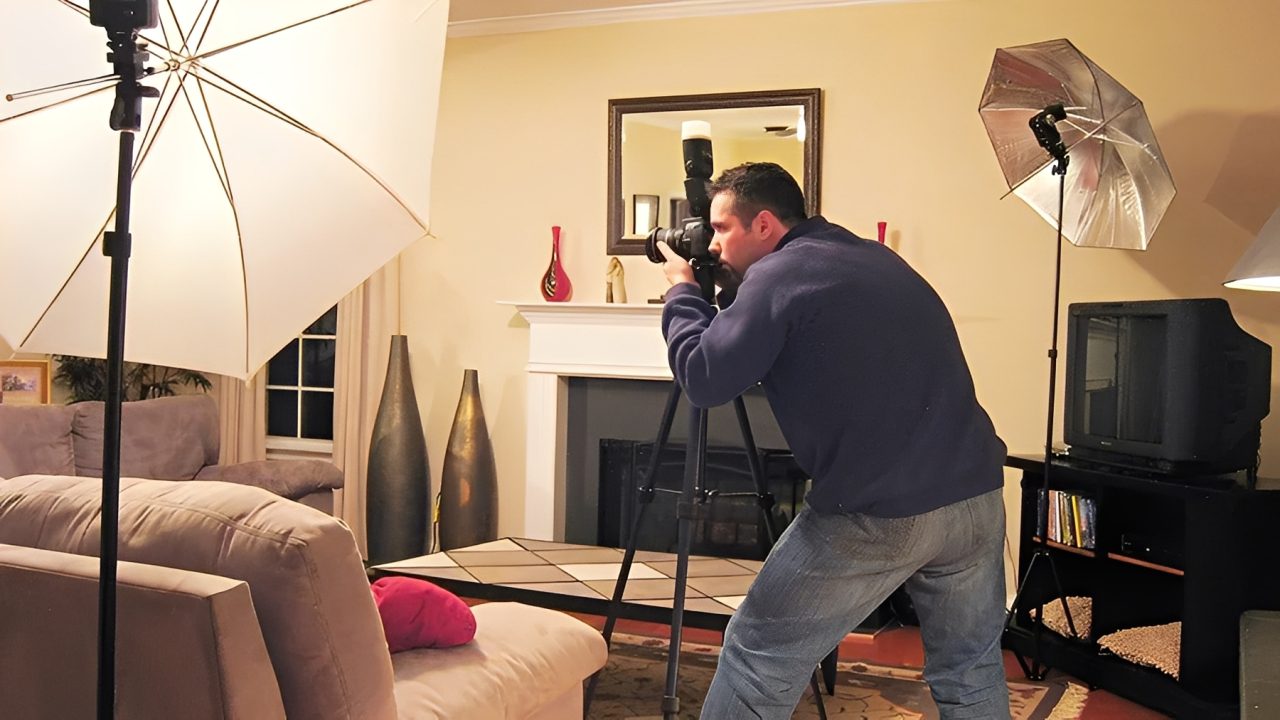
The Importance of Property Photography and Videography When Listing Your Property in Canada

When it comes to selling or renting a property in today’s competitive Canadian real estate market, first impressions truly matter. Whether you’re in bustling Toronto, scenic Vancouver, or a peaceful town in Nova Scotia, your listing’s visuals can make all the difference. That’s where professional property photography and videography come in.

Why Photos and Videos Matter in Real Estate

According to industry research, listings with high-quality photos and videos receive significantly more views and inquiries than those without. In Canada’s growing online real estate scene—where most buyers start their search digitally—your property’s visual presentation can instantly attract (or turn off) potential buyers.

Think about it: before anyone books a showing, they’ve already made up their mind about whether your home feels right—based on what they see online.


1. Professional Photos Capture True Value

A professional real estate photographer knows how to highlight your property’s best features:

  • Natural lighting that makes rooms look bright and inviting

  • Angles that make spaces appear open and balanced

  • Detail shots that emphasize finishes, design, and craftsmanship

These subtle touches help buyers connect emotionally with your property—and visualize themselves living there.

Example: A well-lit kitchen photo showcasing modern countertops and sleek appliances will always perform better than a dimly lit, phone-taken shot.


2. Videography Brings the Property to Life

While photos are essential, videography takes engagement to the next level. Real estate videos and virtual tours give potential buyers a sense of flow, scale, and space—something static images can’t fully capture.

A cinematic walk-through video or drone footage of the neighborhood can help buyers experience the property before they even step inside. This is especially powerful in Canada, where many buyers are relocating from other provinces—or even other countries.


3. Stand Out in Online Listings

With thousands of listings competing for attention on platforms like REALTOR.ca, Zillow, and Facebook Marketplace, your visuals are your best marketing tool.
Professional visuals make your listing look:

  • More credible and trustworthy

  • More attractive and shareable

  • More likely to receive higher offers

In fact, Canadian real estate agents often report that listings with professional photography sell faster and for higher prices than those without.


4. Builds an Emotional Connection

Buying a home isn’t just a financial decision—it’s an emotional one. Beautiful, authentic visuals help potential buyers feel what it’s like to live there. Whether it’s the cozy fireplace, the sunset view from the balcony, or the spacious backyard—good photography and videography bring those feelings to life.


5. A Smart Investment for Sellers and Agents

Hiring a professional may feel like an added cost, but it’s actually an investment in your property’s marketability. The small upfront expense often translates into faster sales and better offers.

For agents, it also strengthens branding—showcasing professionalism, attention to detail, and dedication to client success.


Final Thoughts

In Canada’s fast-moving real estate market, you only get one chance to make a first impression. Stunning visuals can transform a simple listing into a standout opportunity that captures attention, drives traffic, and inspires buyers to take the next step.

So whether you’re selling a downtown condo in Toronto or a family home in Calgary, remember:

Great photos and videos don’t just show your property—they sell it.

09.11.25 | For Buyers

Stress-Free Home Buying in Canada: Why a Sales Representative is Your Secret Weapon

1. Unmatched Access to Listings Through the MLS®

Licensed agents in Canada provide access to the Multiple Listing Service (MLS®)—a highly comprehensive database that aggregates active, pending, and sold property listings with crucial details like price, features, and days on market. Without an agent, you might miss out on homes or valuable listing information only visible via MLS.

2. Deep Market Knowledge & Local Insights

Canadian real estate is far from uniform. Regions like Vancouver, Toronto, and Halifax each behave differently due to local demographics, policies, and economic conditions. Agents are immersed in these markets, giving you a clear understanding of fair pricing, growth potential, school zones, and neighbourhood vibes.

For example, survey data shows:

  • 81% of Canadians are more willing to work with a REALTOR® if they adhere to a recognized standard or certification.

  • Among those who’ve used a REALTOR®, 51% were “very satisfied” with their experience —proof of quality service.

3. Expert Negotiation That Can Save or Earn You Thousands

Negotiation isn’t just about price—it’s timing, clauses, contingencies, and more. Data from the U.S. (which aligns with global trends) found agent-assisted sales had a median price of $400,000, compared to $300,000 in FSBO (For Sale By Owner) deals MarketWatch.

Real testimonials from Reddit:

“They refused to put in the offer without some negotiation… Got us big savings on a 1.4 MM purchase.” Reddit
“He pointed out which houses would go under asking (and he was right every single time…)” Reddit

4. Smooth, Risk-Reduced Process & Legal Guidance

Buying a home involves complex paperwork, legal disclosures, and deadlines. Agents reduce your stress by guiding you through:

  • Contracts and clauses,

  • Inspection scheduling,

  • Closing coordination.

This expertise helps avoid pitfalls like missing deadlines or overlooking key details.

In Quebec, real estate agents are even viewed as a form of “insurance” against mistakes, thanks to mandatory professional liability coverage.

5. Established Local Networks & Exclusive Listings

Need a trusted mortgage advisor, inspector, or contractor ASAP? Agents have go-to professionals. They also often hear about “pocket listings”—homes that aren’t publicly listed yet.

6. Trusted Standards & Consumer Protection

REALTOR®s in Canada are governed by CREA’s REALTOR® Code and provincial regulations, ensuring ethical behavior and accountability. That means you’re working with a professional who must legally act in your best interests.

7. Added Value Through Stress Relief & Time Savings

Real estate is overwhelming—constant listings, appointments, legalese. Agents serve as project managers, letting you focus on what matters. From call-backs to scheduling showings, they handle the logistics.

8. Real Canadian Market Trends Support Acting Now

In May 2025, the Greater Toronto Area recorded an 8.4% month-over-month home sales increase to 4,693 units—the biggest jump in four months. Prices nudged up 0.1% to C$992,800, though still down 4.5% year-over-year. Listings rose 14%, and lower interest rates helped affordability.

An expert agent understands when such trends signal opportunity—especially in shifting markets.

08.15.25 | For Buyers

Selling Your Home Faster in Canada: Essential Steps for a Quick Sale

Selling Your Home Faster in Canada: Essential Steps for a Quick Sale

Selling your home in Canada can feel like a complex process, but with the right preparation and strategy, you can make it happen faster—and at the right price. Whether you’re in a bustling market like Toronto or Vancouver, or a more balanced one like Calgary or Halifax, the key lies in preparation, pricing, and presentation. Here are the essential steps to help you sell your home faster in Canada.


1. Understand Your Local Market

Before you list, research the local real estate market. Understand the current trends:

  • Is it a buyer’s or seller’s market?

  • What are similar homes in your area selling for?

  • How long are they staying on the market?

Partnering with a local real estate agent is crucial—they’ll give you insights into market conditions, pricing strategy, and buyer behavior in your neighborhood.

2. Choose the Right Realtor

Not all realtors are created equal. Choose someone with a proven track record in your area, strong marketing skills, and local knowledge. Ask for a comparative market analysis (CMA), testimonials, and their marketing plan before signing a listing agreement.

3. Price It Right from the Start

One of the biggest mistakes sellers make is overpricing. Homes that sit on the market too long become stale, leading to price drops and lower final sale prices. Use your agent’s CMA to set a competitive price from the beginning—it’ll attract more buyers and could even spark multiple offers.

4. Declutter, Depersonalize, and Deep Clean

First impressions matter. Prepare your home so potential buyers can imagine themselves living there:

  • Declutter to make rooms feel bigger and more open.

  • Depersonalize by removing family photos and bold décor.

  • Deep clean everything—from windows to carpets to appliances.

A fresh coat of neutral paint can also do wonders.

5. Stage Your Home

Home staging helps highlight your home’s strengths and downplay its weaknesses. Professional stagers know how to create an inviting and aspirational space that appeals to a broad range of buyers. In many cases, staged homes sell faster and for more money.

6. Invest in High-Quality Photos & Virtual Tours

Most buyers begin their search online. Eye-catching, professional photography and virtual tours are non-negotiable in today’s market. They make your listing stand out and give buyers a strong first impression before they ever set foot inside.

7. Market Aggressively

Your agent should list your home on the MLS and syndicate it to major real estate websites. But go beyond the basics:

  • Use social media marketing.

  • Create targeted online ads.

  • Offer video walkthroughs and reels.

  • Hold virtual open houses when appropriate.

The more eyes on your property, the faster it will sell.

8. Be Flexible with Showings

The more flexible you are with showings, the more buyers you’ll attract. Be ready for short-notice viewings and keep your home in “show-ready” condition. Consider temporarily relocating if you expect a high volume of showings.

9. Respond Quickly to Offers

Speed is key. If a buyer makes an offer, respond promptly. Being slow to reply can cost you the deal. Work closely with your realtor to review offers, negotiate effectively, and make counteroffers where needed.

10. Be Prepared for the Closing Process

Once you accept an offer, the sale isn’t over. Be prepared for:

  • Home inspections

  • Appraisals

  • Buyer financing

Have all your paperwork ready and stay in close contact with your lawyer or notary to ensure a smooth closing.

Final Thoughts

Selling your home quickly in Canada is achievable with the right approach. From pricing and staging to marketing and flexibility, each step plays a crucial role. A well-prepared home, backed by a knowledgeable agent, stands out in any market—and gets sold faster.

📝 Thinking of selling your home soon? Start with a consultation and find out what your home is really worth in today’s market.

From pricing and staging to negotiating and closing—we’ll walk you through every step to get you sold quickly and confidently.

📞 Book your free home value assessment today!
📧 info@katherinebarnett.com | 🌐 https://www.katherinebarnett.com/ | 📱 416.856.5161

07.10.25 | For Buyers

Why Hiring a Real Estate Agent in 2025 Is Still a Smart Move

🏡 Why Hiring a Real Estate Agent in 2025 Is Still a Smart Move

In today’s digital world, it can be tempting to think you can buy or sell a home on your own. After all, you’ve got online listings, mortgage calculators, and neighborhood data at your fingertips. But behind every smooth real estate transaction is a great deal of work—and often, a great agent.

Whether you’re a first-time buyer, a seasoned seller, or somewhere in between, having an experienced real estate professional by your side can save you money, time, and stress.

Here are 10 compelling reasons why working with a real estate agent is still the smartest move in 2025:


1️⃣ Pricing Expertise That Pays Off

Real estate agents are market experts. They perform detailed Comparative Market Analyses (CMAs) to help sellers price competitively—and help buyers avoid overpaying. Their insight into current trends, local demand, and historical pricing ensures you’re working with numbers that make sense.


2️⃣ Exclusive Access to the MLS

The Multiple Listing Service (MLS) is the heartbeat of real estate data. While consumer sites show listings, they often miss out on real-time updates or full details. Agents use the MLS to help you access the most accurate, up-to-date properties—often before they hit public platforms.


3️⃣ Powerful Negotiation Skills

Real estate agents are trained negotiators. They know when to push, when to wait, and how to approach offers and counteroffers to maximize value for you. Whether it’s price, repairs, or contingencies—your agent acts as a strategic, emotionally neutral advocate.


4️⃣ A Paperwork Pro

From contracts to disclosures to inspection reports, real estate involves a mountain of paperwork. Your agent will handle it with precision, ensuring every form is filled out correctly, signed where needed, and submitted on time—so you avoid costly delays or legal issues.


5️⃣ In-Depth Market Knowledge

Agents stay in tune with local and national trends, giving you insight into the best times to buy or sell. They can also suggest alternatives—like investing in up-and-coming areas or selling your current home before buying your next one. It’s expertise you simply can’t get from a search engine.


6️⃣ A Trusted Professional Network

Need a lender? A home inspector? A moving company? Your agent has you covered. Tap into their vetted network of service providers—saving you hours of research and helping you avoid unreliable options during a time-sensitive process.


7️⃣ They Save You Time

Real estate agents do the heavy lifting. From scheduling showings to coordinating inspections and marketing your listing, they handle it all. Many even drive you to viewings, freeing you up to focus on decisions—not logistics.


8️⃣ Emotional Support (Yes, Really)

Buying or selling a home is emotional—there’s no way around it. An experienced agent helps keep you grounded, offering objective advice during high-stress moments. They celebrate your wins and help you bounce back from disappointments, acting as both advocate and coach.


9️⃣ Contract Confidence

Real estate contracts are legally binding. Even a small oversight can lead to big problems. Your agent ensures everything is accurate, complete, and legally compliant—giving you peace of mind and a solid foundation for your transaction.


🔟 Ongoing Support After the Sale

A great real estate agent isn’t just there for the closing—they’re in it for the long haul. Whether you need a handyman, another property, or advice on the market down the road, your agent is part of your trusted post-sale support team.


🏠 So… Should You Hire an Agent?

Yes—especially if you want the process to be smooth, efficient, and financially smart. While DIY real estate is technically possible, the risks often outweigh the savings. Hiring a qualified real estate agent means getting a trusted partner who looks out for your best interests from start to finish—and beyond.


Thinking of buying or selling? Reach out to a local agent today. You’ll be glad you did.


Source: RE/MAX

06.12.25 | For Buyers

Budget-Friendly Renovation Tips to Refresh Your Home Without Breaking the Bank

Dreaming of a home makeover but working with a limited budget? You’re not alone—and the good news is, you don’t need a massive bankroll to transform your space. With the right approach, home renovations can boost your property value and refresh your surroundings without draining your savings.

Whether you’re aiming for better functionality, updated aesthetics, or simply a fresh feel, here are essential do’s and don’ts to help you renovate smart, stylish, and within budget.


🛠️ DIY or Call the Pros?

✅ DO: Know your limits before diving into a DIY project
While DIY renovations can save money, they’re not one-size-fits-all. Be honest about your time, tools, skills, and physical abilities. Tackle projects that are within your comfort zone, and don’t hesitate to outsource the rest.

🚫 DON’T: Take risks with health or safety
Jobs that involve mold, asbestos, lead, or require plumbing or electrical work are best left to licensed professionals. A poorly executed DIY could cost more in the long run to fix than hiring an expert in the first place.

💡 Quick Tip: Budget extra for DIY surprises—unexpected costs are almost inevitable, and padding your estimate helps prevent headaches.


♻️ Maximize What You Already Own

✅ DO: Reimagine your existing layout and décor
Sometimes, a room doesn’t need new stuff—it just needs a fresh perspective. Try rearranging furniture or swapping items between rooms to create a new flow and feel.

🚫 DON’T: Underestimate the power of small changes
Revamping a room might be as easy as updating lighting, changing pillow covers, or adding a pop of color through accessories. Even reframing art or using oversized matting can transform the look of your walls.

💡 Quick Tip: Hanging frames or wall grids are inexpensive ways to create gallery-style effects with existing photos, posters, or maps.


🔄 Repurpose Before You Replace

✅ DO: Give old pieces a second life
Before tossing out cabinets or furniture, think about how you can update them. Repainting cabinets, refinishing wood furniture, or replacing outdated hardware can make a huge impact at a fraction of the cost.

🚫 DON’T: Rush to replace items that just need a facelift
Many elements in your home—like light fixtures, drawer pulls, or doors—can be modernized rather than replaced entirely.

💡 Quick Tip: Swapping out knobs, faucets, or light switch covers is an easy upgrade with a big payoff in appearance.


🏗️ Know When Permits Are a Must

🚫 DON’T: Skip the legal steps for major renovations
Planning to knock down a wall, add a bathroom, or convert space into a bedroom? Make sure to check your local building codes and apply for the necessary permits.

✅ DO: Plan ahead to avoid costly delays
Permit approvals can take time. Start early to avoid stalling your renovation timeline.

💡 Quick Tip: Your city’s website usually outlines permitting requirements—review them before you commit to a project.


🎨 Get Creative and Have Fun

✅ DO: Infuse personality into your home
Renovations don’t have to be serious and sterile. Add pops of color that lift your mood, try peel-and-stick wallpaper for bold (but temporary) statements, or mix materials like wood, stone, and fabric for added texture.

🚫 DON’T: Neglect your outdoor space
Simple outdoor upgrades—like planting seasonal flowers or adding solar lighting—can enhance curb appeal. For low-maintenance beauty, look into xeriscaping or native plants that thrive in your local climate.

💡 Quick Tip: Even your front door can get a facelift—paint it a bold color for an instant style boost.


💬 Final Thoughts

Transforming your home doesn’t require a massive investment. With a little creativity, strategic planning, and a willingness to repurpose, you can breathe new life into your space—and maybe even boost your property value while you’re at it. Remember: Smart renovations aren’t just about how much you spend—they’re about how thoughtfully you invest your time and resources.


Source: RE/MAX

05.12.25 | For Buyers

Understanding the Real Estate Market When Selling Your Home

After sitting on the sidelines waiting out the market, you have decided on selling your home. You are not alone. This past fall, a NerdWallet study found that a fifth of homeowners plan to sell their homes in the next three years, and 41 percent intend to list their homes in the next five years.

If they plan to follow through on these plans, this could mean an injection of supply in a tight Canadian real estate market, which could help improve the housing affordability situation.

For now, according to the Canadian Real Estate Association (CREA), home prices are up, demand is robust, and mortgage rates look more likely to have peaked at around the five percent mark. At the same time, not all housing markets are created equal.

Toronto Housing Market

In the Toronto real estate market, things are gradually inching toward a buyer’s market. In February, association data revealed that home sales plunged more than 27 percent from the previous year. The average selling price also tumbled 2.2 percent to below $1.09 million. The good news for prospective home-buyers? New listings surged 5.4 percent year-over-year, with more than 12,000 units hitting the Toronto real estate market.

With borrowing costs beginning to improve amid the Bank of Canada’s aggressive rate-cutting cycle, affordability should improve. That is if economic worries abate, says Jason Mercer, the chief market analyst at the Toronto Region Real Estate Board.

“On top of lingering affordability concerns, home-buyers have arguably become less confident in the economy,” Mercer said in a recent report. “Uncertainty about our trade relationship with the United States has likely prompted some households to take a wait-and-see attitude towards buying a home. If trade uncertainty is alleviated and borrowing costs continue to trend lower, we could see much stronger home sales activity in the second half of this year.”


Understanding the Real Estate Market When Selling Your Home

Here are nine things to consider when selling your home in today’s real estate market:

Work with Your Real Estate Agent

Some homeowners will make the mistake of going it alone. This is a misstep. Whether buying or selling, having this expert on your side takes the guesswork out of the process. This industry professional understands the current market, knows the neighbourhood well, and comprehends the many facets of the sector’s rules and regulations. Remember, realtors have your best interests at heart, so it is wise to work with one.

Strategic Pricing

Should you strategically price your home or list it at whatever you want? Depending on where you are located, it could be a buyer’s or seller’s market. As a result, it would be prudent to strategically and correctly list your home’s genuine worth. Ultimately, it is about discovering the ideal listing price that strikes a delicate balance of fair market value and attracting buyers.

Here are a few measures you can employ to garner the right price:

  • Request a home evaluation to determine your property value compared to the rest of the area’s market conditions.
  • Perform a home inspection to ensure everything is ready to showcase.
  • Collaborate with your real estate agent on pricing.

Timing Your Listing

Believe it or not, even in today’s housing market, it is crucial to list your home at the right time. While it is not always possible, industry experts say it should be prioritized. Why? You want to sell when prospective home-buyers want to acquire a property.

Here are a few things you need to know:

  • Winter is usually the slowest time of the year, particularly around the holidays.
  • People are typically ready to purchase a home when it is warmer outside.
  • Selecting the best day of the week can offer a competitive edge.
  • Your real estate agent’s online and offline marketing strategy will also consider the timing of your listing.

It is also worth recommending that you be flexible with your showing times. If interested individuals are appearing after work rather than in the middle of the day, then it is an indication that you might need to be more accommodating to bolster the odds of a sale.

Check Emotion at the Door

Do you think your home is worth much more than what is being listed? Do you think it will be hard to part ways with the keys to your house that you saw your children grow up in? Would you reject a request from the home-buyer to toss in a new refrigerator?

Whatever the case may be, experts recommend checking your emotions at the door and making intelligent decisions. Remember, your objective in selling your home is to sell it fast and garner the best price possible.

Declutter

Decluttering your home can be a herculean endeavour as we accumulate a lot of stuff over the years. However, it is a vital task that should be done to allow potential home-buyers to examine the space through their lenses. By having open space, you can also maximize the square footage rather than keeping everything cramped with chests, sofas, boxes, and a whole host of other items that take up space.

Staging the Right Way

Staging is a critical tool in your selling arsenal. You want to present your home in the best possible light. Even if your home is crammed with so much stuff, you should try to remove many of these things and stage your living room, bedrooms, or kitchens so that they are attractive to buyers.

Here are several tips:

  • Conduct a deep cleaning of your entire home.
  • Stage your home to appeal to buyers rather than gorgeous furniture pieces (a single-family home will appeal to families, while a bachelor condominium suite will appeal to single professionals).
  • Improve your curb appeal by mowing the lawn, installing a neat street number sign, changing the light bulbs, and organizing the yard.
  • Snap high-quality photos of your home because many buyers will be performing their search online, meaning they will explore virtual tours, floor plans, and still images.

Yes, during the coronavirus pandemic, the buying frenzy meant anything goes, and buyers were indifferent to the conventional approaches to purchasing a property. Conditions have stabilized, and now it is best to utilize traditional methods in the real estate market.

Repairing Major and Minor Problems

From a leaky roof to a leaky faucet, sellers should be responsible enough to help repair major and minor problems throughout your house – inside and outside. By doing this, you can maximize your listing price rather than having to haggle with a buyer about having to repair or replace something. Additionally, home-buyers will request inspections anyway (they have made a comeback in the post-pandemic market!), so these professionals will inevitably find out sooner or later.

Expect Smart Buyers

If you approached buying your first (or second) home with thoughtfulness and strategy, why wouldn’t the person buying your home do the same? In today’s digital age—where expert advice is just a few clicks away—it’s reasonable to assume that everyone walking through your kitchen and inspecting your bathroom is coming in well-informed. The current housing market demands savvy from both buyers and sellers.

Ultimately, most prospective buyers are armed with a wealth of knowledge. Whether they’re using real estate apps or working with a skilled agent, you can expect sharp, well-prepared individuals stepping through your front door.

Finalize the Sale

After both sides of the transaction have agreed to the terms, it is time to sign a purchase agreement. Your attorney or a notary will have likely performed the legal aspects. The title is clear, the required documents have been filled, and the paperwork officials transfer ownership from you to the buyer. When closing day arrives (yay!), the buyer will visit the attorney’s office to finish the paperwork and offer the funds. At this stage, the transaction is complete, keys are exchanged, and proceeds from the sale will be distributed.


Source: RE/MAX

04.9.25 | For Buyers

Do Staged Homes Sell Faster?

Do staged homes sell faster, and for a higher price? The short answer is yes and yes. Conditions have started to moderate from the frantic seller’s market Canada has experienced in recent years, largely due to rising interest rates. With homes taking longer to sell and buyers having more time to shop the market, sellers may have to step up their game to win the attention of prospective buyers. This includes engaging an experienced, professional real estate agent, evaluating the comparables and their asking price, and then staging the property to appeal to the right buyer.

Do Staged Homes Sell Faster?

According to a study by the Real Estate Staging Association, staged homes spend 73 percent less time on the market than their un-staged counterparts. But even an un-staged property can sell under the right market conditions. A seller’s market, characterized by high demand and low inventory, generally means buyers will likely scoop up whatever they can get. In a buyer’s market, there are more homes for sale than there are buyers, which means competition is greater among sellers, giving buyers the upper hand. Under these circumstances, staging your property could tip the scales in your favour.

Do Staged Homes Fetch a Higher Price?

The same Real Estate Staging Association study revealed that 85 per cent of homes analyzed sold for five percent to 25 per cent above the listing price. The answer to this question isn’t always black and white, as the final selling price can depend on a number of factors, including buyer demand, competition and the condition of the property. With all else being equal, a staged home is more likely to leave buyers with a better impression than one that hasn’t been staged, with the potential to fetch higher offers.

What is Home Staging?

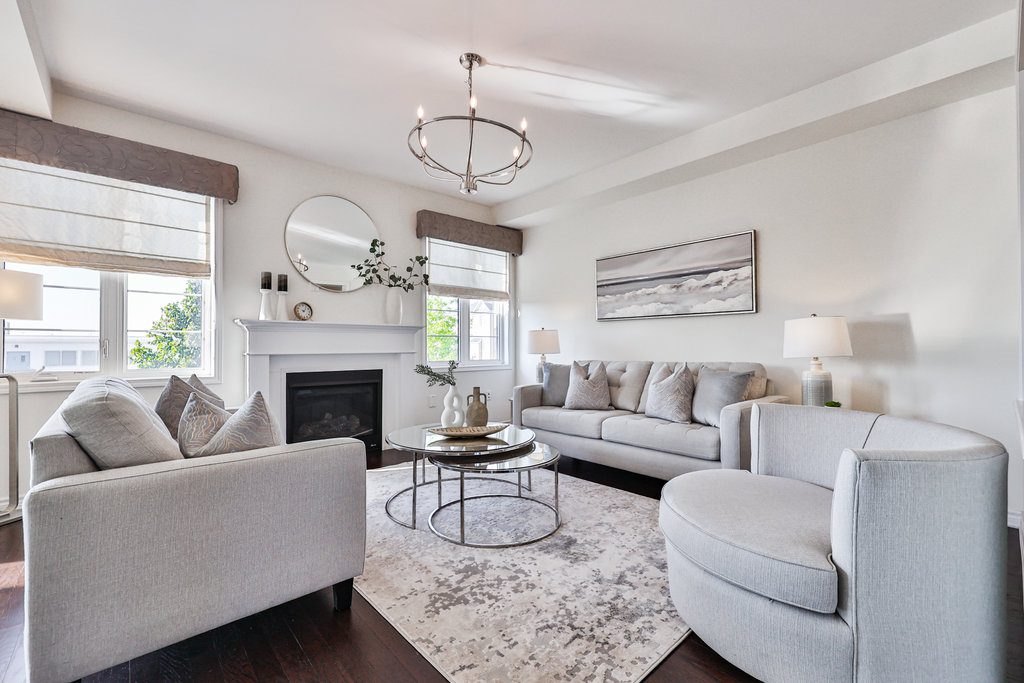
Have you ever wondered, what is home staging? Home staging is the process of preparing a home for sale by increasing its appeal to a wide range of homebuyers. Home staging isn’t as involved as a renovation, and can involve decluttering, depersonalizing and deep-cleaning; painting the walls in a fresh, neutral hue; updating hardware and lighting; rearranging existing furniture or renting some new pieces to help show the home in the best possible light. When a buyer can see your home as their home, they are more likely to make a competitive offer.

Why Stage Your Home

When selling a home, first impressions are everything. Home staging is a powerful tool that helps sellers present their property in the best light, increasing its appeal to buyers.

Helps Buyers Understand the Space

An empty home can make it difficult for buyers to gauge room sizes and functionality. Some buyers struggle to visualize how their furniture will fit, leading them to dismiss an otherwise perfect home. Staging your home provides scale and function, helping buyers see how each room can be utilized efficiently.

Creates an Emotional Connection

Beyond aesthetics, home staging helps buyers develop an emotional connection to a home. A beautifully arranged living room can make buyers envision hosting family gatherings, while a cozy bedroom setup can make them imagine restful nights. This emotional pull can be a key factor in prompting buyers to make an offer.

Highlights the Home’s Best Features

Staging your home directs attention to a home’s strengths while downplaying minor flaws. Well-placed furniture and decor can highlight architectural details, maximize natural light, and create a sense of flow between rooms. This subtle influence guides buyers toward seeing the property’s full potential.

Increases Online Appeal

Since most homebuyers start their search online, photos play a vital role in attracting interest. Virtual home staging can make homes stand out in a sea of listings, making potential buyers more likely to schedule an in-person viewing. High-quality photos of a well-staged home can dramatically increase foot traffic and engagement.

How to Stage Your Home Like a Pro

Declutter with Strategy

Decluttering is the first and most important step, but it’s not just about removing excess items. Think “functional minimalism.” Leave only furniture and decor that contribute to the purpose of a room. For example, an office space should have a desk and chair but also a lamp and a notepad to subtly reinforce its function.

Depersonalize, But Keep It Warm

Removing personal photos and unique decor helps buyers imagine themselves in the home. However, a common mistake is making the space feel too sterile. Replace family photos with neutral artwork or lifestyle images, such as scenic landscapes or stylish cityscapes, to create a welcoming atmosphere.

Maximize Lighting in Layers

Natural light is key, but don’t rely on it alone. Use a mix of lighting, like overhead fixtures, table lamps, and floor lamps, to create a warm and inviting ambiance. Try daylight LED bulbs to keep the home looking fresh and bright without harsh glares.

Use Large Mirrors to Expand Space

A well-placed mirror can make a room feel much larger. Hang a large mirror opposite a window to reflect light and give the illusion of an extra window in the room.

Add Life with Plants

Indoor plants bring warmth and vibrancy to any space. Opt for low-maintenance plants like snake plants that require minimal care but provide a fresh, lively look. Even in bathrooms, a small eucalyptus bundle or a potted orchid can make a big impact.

Avoid Over-Staging

While decor is important, too much can make a space feel cramped or artificial. The goal is to complement the home, not distract from it. Stick to neutral colours with a pop of contrast, such as a navy throw pillow on a beige couch, to keep things visually appealing.

Soure: RE/MAX

02.28.25 | For Buyers

Milton, Ontario Real Estate Market Analysis – Is Now a Good Time to Buy?

Buying a home is a big decision, and market conditions play a crucial role. Here’s a breakdown of Milton’s real estate trends to help you decide if now is the right time to buy.

Current Home Prices & Market Trends

As of early 2025, Milton’s average home price is $1.04M, holding steady year-over-year. Detached homes remain the priciest at ~$1.34M, while townhouses and semis are around $1M, and condos sit in the $600K range. The market has stabilized after the volatility of previous years, meaning buyers are no longer dealing with rapid price fluctuations.

Interest Rates & Affordability

Mortgage rates spiked in 2022-2023 but have since eased. In early 2025, 5-year fixed rates dropped from ~6% to ~4%, increasing buyer affordability. Lower rates mean lower monthly payments and improved mortgage qualification, making homeownership more accessible than it was a year ago.

Buyer’s Market Conditions

Milton currently favours buyers. New listings surged 78.9% in January 2025, and homes are sitting on the market longer, giving buyers more choices and negotiation power. The sales-to-new-listings ratio (SNLR) is 36%, firmly in “buyer’s market” territory. This means less competition, more inventory, and potential price flexibility.

Government Incentives & First-Time Buyer Programs

New policies, such as 30-year amortizations for insured mortgages and the First Home Savings Account (FHSA), are making homeownership easier. First-time buyers can also benefit from land transfer tax rebates, RRSP withdrawals, and tax credits to offset upfront costs.

Economic & Population Growth

Milton is one of Canada’s fastest-growing towns, with a young, high-income population driving housing demand. With new infrastructure, jobs, and planned developments, the long-term outlook remains strong, making real estate a solid investment.

Expert Predictions & Final Thoughts

Market analysts predict a modest 2-6% price growth in 2025, meaning today’s buyers can purchase without the frenzy of past years while securing a home before prices edge up. With affordability improving, inventory high, and incentives in place, now is a strategic time to buy in Milton before competition heats up in the spring market.