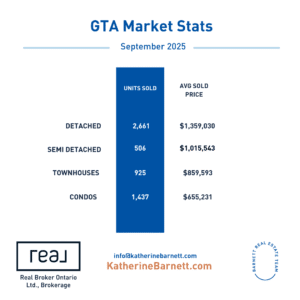

02.12.26 | For Buyers

Housing Market Insight January 2026

January 2026– GTA Housing Market News

Here is our quick market update!

🏡 GTA Housing Market Update – January 2026

Market Activity Slows as Prices Continue to Ease

2025 just wrapped up with a little over 62,000 transactions. That makes it the slowest year for sales that we’ve seen since 1995. That was 31 years ago.

Across the GTA, transactions were down almost 20% compared to January last year. If we zoom in on the Milton market, sales were down 29%, with only 82 homes sold in January. The median price in Milton has held fairly steady compared to the last couple of January, whereas across the GTA, the prices are down about 6.5% year over year.

Some people are blaming the extremely cold weather that we’ve seen for the slow down. Maybe that’s part of it. But here’s the bigger picture. Interest rates have been coming down, and at the same time, prices have also been adjusting downward.

If you’re thinking about buying or selling this year, strategy matters more than ever.


📊 January 2026 Market Snapshot

  • 3,082 home sales
    🔻 Down 19.3% vs. January 2025

  • 10,774 new listings
    🔻 Down 13.3% year-over-year

  • Average selling price: $973,289
    🔻 Down 6.5% vs. January 2025

  • MLS® Home Price Index (MLS® HPI) Composite Benchmark:
    🔻 Down 8.0% year-over-year

On a seasonally adjusted basis, home sales declined month-over-month compared to December 2025, while new listings edged slightly higher. Both the MLS® Home Price Index (MLS® HPI) Composite and the average selling price continued to trend lower, reinforcing the affordability gains seen over the past year.


📉 What This Means for the Market

January’s numbers reflect a cautious start to the year, with many buyers remaining on the sidelines amid broader economic uncertainty. However, softer prices and easing market conditions may present opportunities for well-prepared buyers as 2026 unfolds.


📘 2026 Market Outlook Now Available

TRREB’s 2026 Market Outlook and Year in Review Report has been released and offers a comprehensive look at the GTA real estate landscape. The report includes insights on:

  • Residential resale trends

  • New home and condominium markets

  • Commercial real estate activity

  • Key economic drivers shaping the year ahead

📌 If you’re planning to buy, sell, or invest this year, this report is a valuable resource for understanding where the market may be headed.


Bottom Line:
While activity slowed in January, improving affordability and increased market insight set the stage for potential opportunities later in 2026—particularly as confidence returns and conditions stabilize.

All in all, it’s a market that favors buyers, but things can still move fast if the property hits the right price point. If you’re curious about what all this means for your home or area specifically, feel free to get in touch — we’re always happy to help.

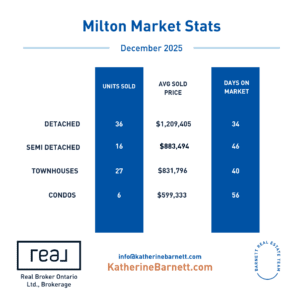
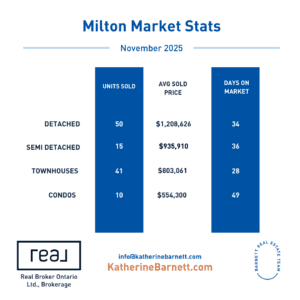
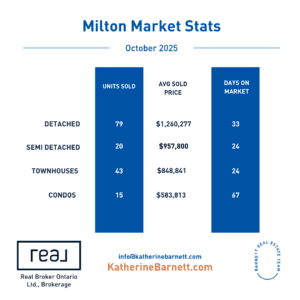
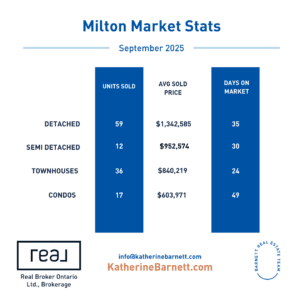
Milton Real Estate Market
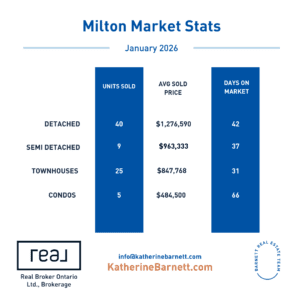
The average price in Milton $1,046,516

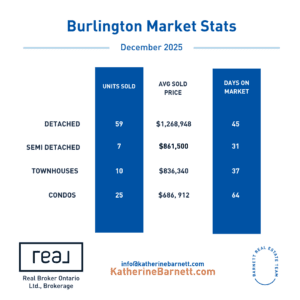
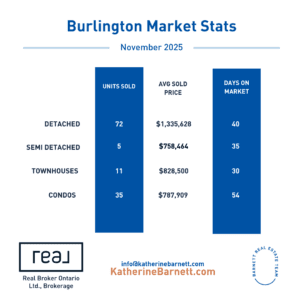
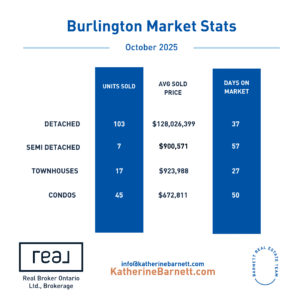
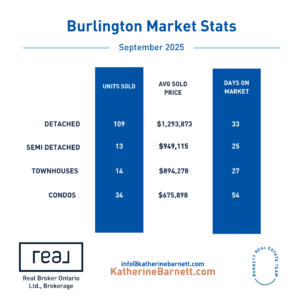
Burlington Real Estate Market
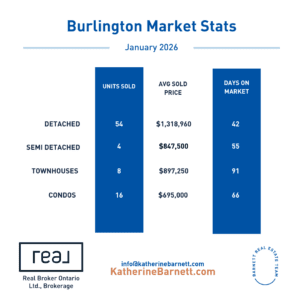
The average price in Burlington $1,031,580

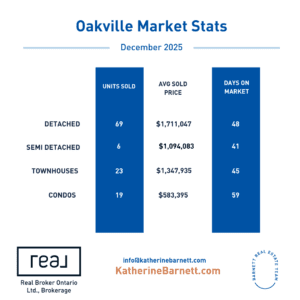
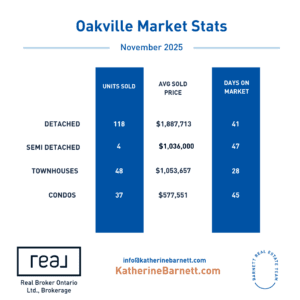
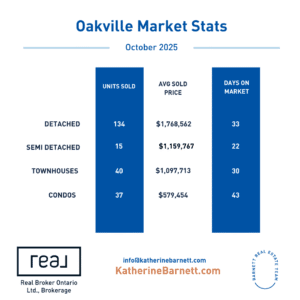
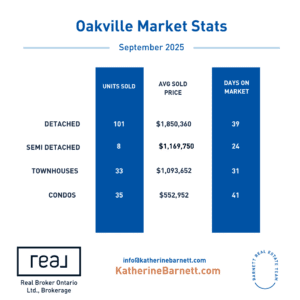
Oakville Real Estate Market
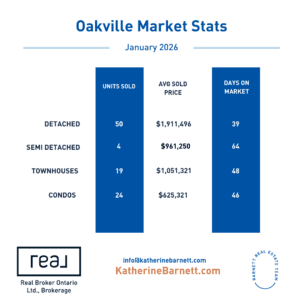
The average price in Oakville $1,330,082
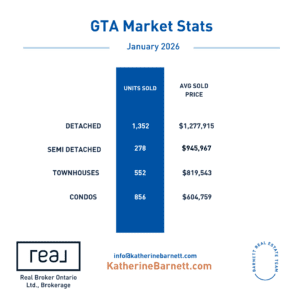

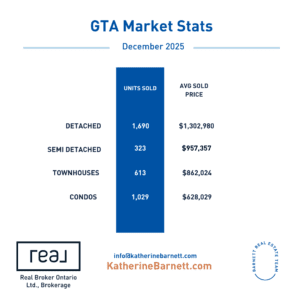
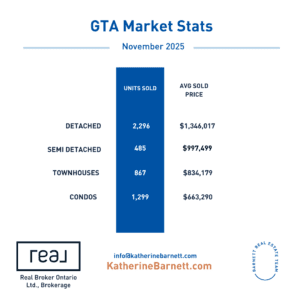
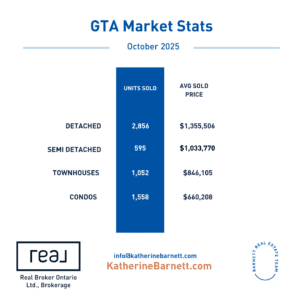
The average price in GTA $973,289

Have questions about the market? Contact us today to learn more!

Previous Reports on GTA Housing Market News

July August September October November December

02.12.26 | Burlington

Cozy Home Inspiration for Winter: Creating Warm and Inviting Spaces

Cozy Home Inspiration for Winter

Winter in Canada brings crisp air, shorter days, and a renewed appreciation for the comfort of home. As temperatures drop, creating a warm and inviting living space becomes more than a design choice—it becomes a lifestyle essential. A cozy home not only enhances comfort during the colder months but also promotes relaxation, well-being, and quality time with loved ones.

Here are practical and stylish ways to transform your home into a cozy winter retreat.


1. Layer Textures for Warmth and Comfort

One of the simplest ways to make your home feel cozy is by layering textures. Soft furnishings instantly add warmth and visual interest to any room.

Consider incorporating:

  • Plush throw blankets and knit or faux-fur cushions

  • Area rugs to insulate floors and define spaces

  • Upholstered furniture with soft, inviting fabrics

Layering textures creates depth and makes your home feel more comfortable and welcoming during long winter evenings.


2. Use Warm, Ambient Lighting

Lighting plays a key role in setting a cozy atmosphere. During winter, maximizing soft, warm light can make spaces feel more intimate and calming.

Opt for:

  • Table and floor lamps with warm-toned bulbs

  • Candles or LED candles for a soft glow

  • String or accent lights to add warmth to darker corners

Avoid harsh overhead lighting where possible, and focus on creating gentle layers of light throughout your home.


3. Embrace Warm and Neutral Colour Palettes

Winter is the perfect time to introduce warmer tones into your home décor. Neutral shades paired with rich accents can instantly elevate the coziness of a space.

Popular winter colour choices include:

  • Cream, beige, and soft grey

  • Warm browns and taupe tones

  • Deep accents such as forest green, navy, or burgundy

These colours create a calm and grounded environment that feels both stylish and seasonally appropriate.


4. Create Inviting Spaces for Relaxation

Designate areas in your home specifically for comfort and relaxation. A cozy reading nook, a warm living room seating arrangement, or a welcoming bedroom can make a significant difference during winter.

Enhance these spaces with:

  • Comfortable seating and layered pillows

  • Side tables for books, tea, or candles

  • Soft curtains that help retain warmth

The goal is to create spaces that encourage rest, reflection, and togetherness.


5. Add Natural Elements for Balance

Bringing natural elements indoors adds warmth and balance during the winter months. Wood, greenery, and organic textures soften interiors and connect your space to nature.

Simple ideas include:

  • Wooden furniture or décor accents

  • Dried florals or evergreen arrangements

  • Indoor plants that thrive in low light

These elements add character while maintaining a calm and cozy aesthetic.


6. Focus on Comfort in Bedrooms

Winter is the season of rest, making bedroom comfort especially important. Upgrading bedding and textiles can dramatically improve both warmth and sleep quality.

Consider:

  • Flannel or high-thread-count cotton sheets

  • Layered duvets and comforters

  • Soft bedside rugs to keep floors warm

A cozy bedroom creates a peaceful escape from cold winter nights.


Conclusion

Creating a cozy home for winter is about more than décor—it’s about comfort, warmth, and intentional living. By layering textures, enhancing lighting, embracing warm colours, and designing inviting spaces, you can transform your home into a welcoming sanctuary throughout the Canadian winter season.

Whether you’re settling in for quiet evenings or hosting family and friends, a cozy home makes winter something to truly enjoy.

01.7.26 | For Buyers

Housing Market Insight December 2025

December 2025– GTA Housing Market News

Here is our quick market update!

🏡 GTA Housing Market Update – December & Year-End 2025

Affordability Improves as Market Prepares for Recovery

Home sales across the Greater Toronto Area (GTA) declined in 2025 compared to 2024, as economic uncertainty continued to weigh on consumer confidence. At the same time, elevated listing inventory throughout the year gave buyers more choice and negotiating power—resulting in lower selling prices and improved overall affordability.

“The GTA housing market became more affordable in 2025 as both selling prices and mortgage rates trended lower,” said TRREB President Daniel Steinfeld.
“This improvement has laid the groundwork for recovery. Once households feel confident that the economy and labour market are on solid footing, pent-up demand will begin to translate into increased home sales.”


📊 2025 Year-End Market Snapshot

  • 62,433 total home sales
    🔻 Down 11.2% from 2024

  • 186,753 new listings
    🔺 Up 10.1% year-over-year

  • Average selling price (2025): $1,067,968
    🔻 Down 4.7% from 2024

Higher inventory levels throughout the year helped shift the market toward better balance, creating improved affordability conditions for buyers heading into 2026.


📅 December 2025 Market Highlights

  • 3,697 home sales
    🔻 Down 8.9% vs. December 2024

  • 5,299 new listings
    🔺 Up 1.8% year-over-year

  • Average selling price: $1,006,735
    🔻 Down 5.1% vs. December 2024

  • MLS® HPI Composite Benchmark:
    🔻 Down 6.3% year-over-year

On a seasonally adjusted basis, sales dipped slightly from November while new listings increased. The MLS® HPI edged lower month-over-month, while the average selling price rose modestly—reflecting ongoing price stability near year-end.


💬 Expert Outlook for 2026

“Stronger trade certainty and major domestic infrastructure investments will be key to improving housing activity,” said TRREB Chief Information Officer Jason Mercer.
“Even with better affordability, households need confidence in their employment outlook before committing to long-term mortgage payments.”

TRREB CEO John DiMichele emphasized the role of government policy in restoring confidence and easing cost pressures:

“Governments at all levels must act now to provide meaningful tax relief and address the rising cost of living,” DiMichele said.
“Families need financial breathing room to afford housing and meet everyday expenses. Fair, responsible tax policies can help rebuild trust, restore confidence, and support a more stable and inclusive economy.”


🏠 The Bottom Line

2025 was a year of adjustment and improving affordability for the GTA housing market. While uncertainty held back sales, lower prices, easing borrowing costs, and strong inventory levels have positioned the market for a potential rebound—once economic confidence strengthens.

As we head into 2026, buyers and sellers alike will be watching closely for signs of stability, policy action, and renewed momentum.

All in all, it’s a market that favors buyers, but things can still move fast if the property hits the right price point. If you’re curious about what all this means for your home or area specifically, feel free to get in touch — we’re always happy to help.

Milton Real Estate Market

The average price in Milton $973,454

Burlington Real Estate Market

The average price in Burlington $995,162

Oakville Real Estate Market

The average price in Oakville $1,344,131


The average price in GTA $1,006,735

Have questions about the market? Contact us today to learn more!

Previous Reports on GTA Housing Market News

June July August September October November

01.7.26 | Burlington

Home Staging Tips That Actually Work

Home Staging Tips That Actually Work

(Because “just clean it” isn’t a real plan)

Let’s be real for a second—home staging sounds fancy… until you realize most advice is basically “declutter and light a candle.”

Helpful? Sure.
Enough to make buyers fall in love? Not really.

If you want people to walk in, feel something, book a showing, and start picturing their life in your home, you need staging tips that actually work—not Pinterest-perfect setups or expensive upgrades.

The good news? You don’t need to be an interior designer or spend thousands. You just need a few smart moves, a little psychology, and some intention.

Let’s break it down 👇


🧠 First Rule of Staging: It’s Not Your Home Anymore

It’s their future home.

Buyers aren’t there to see your life—they’re trying to imagine theirs. Morning coffee at the counter. Movie nights on the couch. Holidays around the table.

That’s why staging isn’t about decorating. It’s about creating space for imagination.

What actually helps:

  • Packing away personal photos (yes, even the adorable ones)

  • Toning down bold décor that feels very “someone else lives here”

  • Keeping things warm, neutral, and inviting—not cold, not cluttered

Think hotel vibes, not storage unit.


🛋️ Furniture: More Space Beats More Stuff

One of the most common staging mistakes? Too much furniture.

Buyers want to see the space—not squeeze past it.

Try this:

  • Remove about 30% of the furniture in each room

  • Pull furniture slightly away from walls so rooms feel open

  • Use area rugs to define spaces, especially in open layouts

If a room feels small, it’s usually not the room—it’s what’s inside it.


🎨 Paint: The Easiest Upgrade with the Biggest Payoff

If there’s one thing that almost always pays off, it’s fresh paint.

Not red.
Not purple.
Not “this was trendy in 2009.”

Go for buyer-friendly shades like:

  • Warm whites

  • Soft greige

  • Light beige or taupe

They make rooms brighter, photograph better, and help buyers imagine their own style on the walls. Plus, fresh paint quietly tells buyers, “This home has been taken care of.”


💡 Lighting: Instant Mood Upgrade

Even the nicest home can feel off if it’s dark.

Easy fixes that make a big difference:

  • Open all curtains and blinds

  • Swap dim bulbs for bright, warm ones

  • Add lamps to dark corners (yes—even if you have overhead lights)

A bright home feels happier, cleaner, and more welcoming—and buyers definitely notice.


🍋 Kitchens & Bathrooms: Small Touches, Big Impact

These rooms matter. A lot.

You don’t need a full remodel—just smart staging.

In the kitchen:

  • Clear the counters (leave one intentional item, like a bowl of fruit)

  • Put away dish racks, sponges, and clutter

  • Add a simple touch like fresh flowers or a cutting board

In the bathroom:

  • Clean, white towels (hotel-style)

  • A fresh shower curtain

  • Clear everything off the counter except soap

If it looks too clean, you’re doing it right.


🌿 Bring in a Little Life

A staged home shouldn’t feel empty or stiff—it should feel lived-in (but not too lived-in).

Easy ways to do that:

  • Add plants (real or good-quality faux)

  • Fresh flowers for photos and open houses

  • Neutral pillows or cozy throws

These little details create emotion—and emotion is what sells homes.


👃 Yes, Smell Matters

Buyers might forget the layout, but they won’t forget how a home smells.

What works:

  • Fresh air

  • Clean, neutral scents

  • Light citrus or fresh linen

What doesn’t:

  • Strong candles

  • Overpowering sprays

  • Trying to cover smells instead of removing them

If you notice the scent right away, it’s probably too much.


📸 Stage for Photos First

Most buyers fall in love online before they ever walk through the door.

So staging needs to look good on camera.

Quick tips:

  • Think about listing photos when staging each room

  • Hide cords and floor clutter

  • Aim for balance and symmetry—it photographs better

More clicks → more showings → better offers.


✨ Final Thought: Staging Is Really About Telling a Story

The best-staged homes don’t just look nice. They feel right.

They quietly say:

  • “This is comfortable.”

  • “This is easy to live in.”

  • “This could be yours.”

And once buyers feel that, they don’t just like the home—they want it.


💬 Thinking of selling?

Staging doesn’t have to be stressful or expensive—especially when you focus on what actually works.

📩 Want staging tips tailored to your home?
📊 Curious what well-staged homes in your area are selling for?

Let’s make your home unforgettable ✨

12.9.25 | For Buyers

Housing Market Insight November 2025

November 2025– GTA Housing Market News

Here is our quick market update!

🏡 GTA Housing Market Update – November 2025

Cautious Buyers, Softer Prices, and Signs of Renewed Economic Optimism

The Greater Toronto Area (GTA) housing market saw slower activity in November, with home sales, new listings, and selling prices all trending below last year’s levels. While borrowing costs and pricing remain attractive for many would-be buyers, continued economic uncertainty kept a significant number on the sidelines.

“Many GTA households are eager to take advantage of lower rates and more favourable prices,” said TRREB President Elechia Barry-Sproule.
“What they need most now is confidence in their long-term employment outlook. Encouraging job and economic news in November is a promising step—if the momentum continues, we may see stronger homebuyer confidence heading into 2026.”


📊 November 2025 Market Snapshot

  • 5,010 home sales
    🔻 Down 15.8% vs. November 2024

  • 11,134 new listings
    🔻 Down 4% year-over-year

  • Average selling price: $1,039,458
    🔻 Down 6.4% year-over-year

  • MLS® HPI Composite benchmark:
    🔻 Down 5.8% year-over-year

Month-over-month, both sales and new listings dipped slightly on a seasonally adjusted basis. Price trends held steady, with the MLS® HPI edging down and the average selling price ticking up marginally from October.


💬 Experts Share Market Insights

Despite uncertainty earlier in the fall, November’s economic data offered some positive surprises.

“November’s employment and GDP numbers outperformed expectations,” noted Jason Mercer, TRREB’s Chief Information Officer.
“The Canadian economy appears to be withstanding trade-related pressures better than anticipated. More stability on the trade front, combined with the boost from major infrastructure investments, could help restore homebuyer confidence moving forward.”


🏗️ Housing Supply: The Long-Term Challenge

A well-supplied resale market continues to give buyers breathing room—but sustaining that balance requires continued new construction.

“As resale inventory gets absorbed, we need new housing to fill the pipeline,” said TRREB CEO John DiMichele.
“Ontario needs more options between condo apartments and traditional single-family homes—missing middle housing that supports families and affordability. Construction activity also drives major economic benefits, which are especially valuable in today’s climate. All three levels of government must step up with incentives that help get more homes built.”


🏠 What This Means for Buyers & Sellers

For Buyers:

  • Affordability remains better than in recent years

  • Choice is strong across most segments

  • Improving economic signals may strengthen confidence heading into 2026

For Sellers:

  • Pricing competitively is crucial in today’s buyer-leaning market

  • Well-prepared listings continue to attract motivated, serious buyers


Bottom Line

November brought cooler market activity but warmer economic signals. As job growth stabilizes and major infrastructure projects roll out, confidence may rise—setting the stage for a more active 2026 housing market.

All in all, it’s a market that favors buyers, but things can still move fast if the property hits the right price point. If you’re curious about what all this means for your home or area specifically, feel free to get in touch — we’re always happy to help.

Milton Real Estate Market

The average price in Milton $964,583

Burlington Real Estate Market

The average price in Burlington $1,050,257

Oakville Real Estate Market

The average price in Oakville $1,389,725


The average price in GTA $1,039,458

Have questions about the market? Contact us today to learn more!

Previous Reports on GTA Housing Market News

June July August September October

12.9.25 | Burlington

Top 7 Mistakes First-Time Homebuyers Make in Canada—And How to Avoid Them

Top 7 Mistakes First-Time Homebuyers Make in Canada—And How to Avoid Them

Buying your first home in Canada is exciting—but it can also feel overwhelming. With rising prices, competitive markets, and rapidly changing mortgage rules, it’s easy to slip into costly mistakes that could set you back financially or keep you from landing the home you really want.

To help you stay confident and prepared, here are the top seven mistakes first-time homebuyers make in Canada—and how you can avoid them.


1. Not Getting Pre-Approved Before House Hunting

It’s tempting to jump straight into viewing homes, but without a pre-approval, you’re shopping blind. Many buyers fall in love with properties they later discover they can’t afford—or worse, lose out to better-prepared buyers.

How to avoid it:

Get a mortgage pre-approval before you look at a single listing. It strengthens your offer and helps you shop with clarity and confidence.


2. Underestimating the True Cost of Homeownership

Too many first-time buyers focus only on the purchase price. In Canada, additional costs like land transfer tax, closing fees, home inspections, insurance, and moving expenses add up fast.

How to avoid it:

Budget an extra 3–5% of the purchase price for closing costs. It’s better to overprepare than to be caught off guard on closing day.


3. Skipping the Home Inspection

In competitive markets, buyers sometimes waive inspections to stand out. But skipping this step can lead to unexpected repair bills worth thousands.

How to avoid it:

Always choose a conditional inspection—or arrange a pre-offer inspection. It’s your best defense against hidden issues.


4. Letting Emotions Lead the Decision

It’s easy to fall in love with a stunning kitchen or a perfect patio, but emotions can cloud judgment. Some buyers end up stretching their budget or ignoring red flags.

How to avoid it:

Focus on your non-negotiables: location, budget, commute, long-term needs, and structural condition. A good agent keeps you grounded.


5. Not Exploring First-Time Homebuyer Incentives

Canada offers several programs—like the First-Time Home Buyer Incentive, Home Buyers’ Plan (HBP), and land transfer tax rebates—but many buyers simply don’t use them.

How to avoid it:

Research available incentives in your province. These programs can save you thousands and make homeownership far more accessible.


6. Forgetting to Consider Future Needs

A condo may be perfect right now, but will it still work in 3–5 years? Buyers often focus on their current lifestyle instead of the future.

How to avoid it:

Picture your life in the next few years. Planning ahead protects your investment and keeps you from outgrowing your home too quickly.


7. Working Without a Real Estate Professional

Some first-time buyers try to navigate the process alone—only to learn how complex it truly is. Negotiations, contracts, market analysis, and property comparisons require expertise.

How to avoid it:

Partner with a knowledgeable real estate agent who understands the Canadian market. They advocate for your best interests, handle the details, and help you avoid expensive mistakes.


Final Takeaway

Your first home purchase should be exciting—not stressful. By avoiding these common mistakes and preparing with the right information, you can move through the process with confidence and make a decision that sets you up for long-term success.

11.18.25 | For Sellers

How to Prepare Your Home for a Spring Market Sale (Without Overspending)

How to Prepare Your Home for a Spring Market Sale (Without Overspending)

Spring is the busiest season in real estate, but here’s the truth: the homes that sell fast and for top dollar, aren’t always the ones with the biggest renovations. They’re the ones that feel fresh, cared for, and move-in ready.

If you’re planning to sell in the spring, here’s a simple, budget-friendly plan to get your home market-ready without sinking money into updates you won’t get back.


1. Start With a Deep, No-Nonsense Declutter

Buyers judge space by how it feels, not by the square footage on paper.
A cluttered home feels smaller and less valuable.

Focus on:

  • Surfaces (kitchen counters, nightstands, bathroom vanities)

  • Closets (aim for 50% empty)

  • Storage areas (buyers look!)

  • Garage/basement cleanout

This costs time, not money and has the biggest impact.


2. Fresh Paint = Instant ROI

If the walls haven’t been painted in 5+ years, now’s the time.

Stick to:

  • Soft white

  • Warm beige

  • Light grey

Fresh paint makes the home feel newer, brighter, and bigger. It photographs beautifully, which matters more than ever.


3. Fix the Small Stuff Buyers Notice

Buyers assume small issues = bigger hidden problems.

Quick wins:

  • Touch up trim

  • Replace broken outlets/covers

  • Fix wobbly door handles

  • Repair cracked tiles

  • Swap burnt-out bulbs

These micro-repairs tighten up the whole impression.


4. Refresh, Don’t Renovate, the Kitchen & Bathrooms

You don’t need a full remodel.
You need visual freshness.

Budget-friendly upgrades:

  • New hardware on cabinets

  • Updated light fixtures

  • Fresh caulking around sinks/tubs

  • New mirrors

  • New shower curtain + towels

  • Replacing faucets (often under $150)

These spaces photograph extremely well after a simple refresh.


5. Maximize Curb Appeal

First impressions start in the driveway, literally.

Before spring hits:

  • Power wash siding and walkways

  • Clean or paint the front door

  • Replace tired doormats

  • Add outdoor lighting

  • Trim shrubs and dead branches

  • Add planters closer to listing day

This is low-effort, high-impact.


6. Pre-List Repairs That Buyers Expect

Here’s what today’s buyers look for:

  • Working HVAC

  • Clean furnace filter

  • No active leaks

  • Safe electrical

  • Solid roof

  • Windows that open and close properly

If anything is borderline, fix it before listing.
A clean home inspection wins buyers fast.


7. Stage Smart, Use What You Already Have 

You don’t need to bring in a truck of furniture.

You need:

  • Light, neutral bedding

  • Minimal décor

  • Good lighting

  • Balanced furniture placement

  • A few modern touches (throw pillows, greenery, updated lamps)

In Milton especially, airy, uncluttered spaces always perform best.


8. Get Professional Photos (Non-Negotiable)

Spring is competitive.
Your photos need to look better than your neighbours’.

Professional photography:

  • Makes your home look larger

  • Highlights natural light

  • Drives more showings

  • Boosts your online presence

This is the one place you don’t cut corners.


Final Thought: Start Early

January and February are the ideal months to prepare so you can hit the spring market strong.
Homes that feel clean, bright, and move-in ready always rise to the top.

And if you want help, we can take care of all of this.
Our team handles staging, prep guidance, and professional photography so you don’t have to stress about what to do or where to start. We’ll walk you through it and make the whole process simple.

11.11.25 | For Buyers

Housing Market Insight October 2025

October 2025– GTA Housing Market News

Here is our quick market update!

🏡 GTA Housing Market Update – October 2025

Buyer-Friendly Conditions Continue Amid Economic Uncertainty

The Greater Toronto Area (GTA) housing market remained tilted in favour of buyers in October, as home sales declined year-over-year while new listings edged higher. With lower borrowing costs and increased inventory, motivated buyers were able to negotiate more favourable prices across many market segments.

“Those who feel confident about their job stability and long-term financial outlook are benefiting from improved affordability,” said TRREB President Elechia Barry-Sproule.
“However, uncertainty about the broader economy continues to keep some would-be buyers on the sidelines.”


📊 October 2025 Market Highlights

  • 6,138 home sales
    🔻 Down 9.5% vs. October 2024

  • 16,069 new listings
    🔺 Up 2.7% year-over-year

  • Average selling price: $1,054,372
    🔻 Down 7.2% year-over-year

  • MLS® Home Price Index Composite Benchmark:
    🔻 Down 5.0% year-over-year

On a seasonally adjusted basis, both home sales and new listings declined slightly month-over-month. Price trends remained stable overall, with the MLS® Home Price Index largely flat and the average selling price showing a modest monthly dip.


💬 Insights from TRREB Experts

“Monthly mortgage payments for an average-priced GTA home have continued to trend lower,” said Jason Mercer, TRREB’s Chief Information Officer.
“This is being driven by both reduced borrowing costs and softer prices—making ownership more attainable for many households. Once confidence returns around trade relations with the U.S. and China, we expect home sales to pick up.”


🏗️ Building Confidence Through Housing Investment

Beyond short-term market movements, TRREB CEO John DiMichele emphasized the critical role of housing in driving economic growth and community resilience:

“Housing is essential economic infrastructure,” DiMichele noted.
“As our population grows, we need innovation and private investment to accelerate construction across all housing types. Governments can support this by modernizing tax rules, reducing buyer costs, and eliminating exclusionary zoning. Rebuilding market confidence today means creating jobs and delivering the homes Ontarians urgently need.”


🏠 Takeaway for Buyers and Sellers

  • For Buyers: Lower prices and borrowing costs have improved affordability, making it a strong environment for those ready to purchase with long-term confidence.

  • For Sellers: While price competition remains, serious buyers are active—especially for well-priced, move-in-ready homes.


Bottom Line:
With affordability steadily improving and interest rates easing, the GTA market is poised for renewed activity once economic uncertainty subsides. Buyers who act strategically in today’s market may find meaningful long-term value.

All in all, it’s a market that favors buyers, but things can still move fast if the property hits the right price point. If you’re curious about what all this means for your home or area specifically, feel free to get in touch — we’re always happy to help.

Milton Real Estate Market

The average price in Milton $1,026,445

Burlington Real Estate Market

The average price in Burlington $991,062

Oakville Real Estate Market

The average price in Oakville $1,361,258


The average price in GTA $1,054,372

Have questions about the market? Contact us today to learn more!

Previous Reports on GTA Housing Market News

 May  June July August September

11.11.25 | For Buyers

Top 5 Things Every Homebuyer Should Check Before Making an Offer

Top 5 Things Every Homebuyer Should Check Before Making an Offer

Purchasing a home is one of the most exciting—and significant—financial decisions you’ll ever make. Whether you’re a first-time buyer or looking for your next property, it’s easy to get caught up in the excitement of finding “the one.”

However, before you make an offer, it’s crucial to take a step back and ensure you’ve examined all the important details. A thorough review can help you avoid unexpected costs, stressful surprises, and potential buyer’s remorse down the road.

Here are the top five things every homebuyer in Canada should check before making an offer.


1. The Property’s Condition and Structure

Before you commit to buying a home, always assess its overall condition and structural integrity. What may look perfect on the surface could hide expensive problems beneath.

Hire a licensed home inspector to evaluate the foundation, roof, plumbing, electrical systems, heating, and insulation. An inspection can uncover issues such as water damage, mold, or outdated wiring—problems that could cost thousands to repair later.

Tip: Even newer homes can have hidden defects. Always include a home inspection contingency in your offer to protect yourself.


2. The Location and Neighborhood

In real estate, location truly is everything. Before making an offer, spend time exploring the neighborhood and understanding its long-term potential.

Check factors like:

  • Proximity to schools, hospitals, parks, and public transit

  • Safety and noise levels

  • Upcoming infrastructure projects or zoning changes

  • Local market trends and property value appreciation

A home’s location affects not only your daily lifestyle but also your property’s resale value. In fast-growing Canadian markets like Toronto, Calgary, and Vancouver, choosing the right neighborhood can make a major difference in long-term investment returns.


3. The Price and Market Value

Before placing an offer, ensure the property is priced fairly compared to others in the area. Research recent comparable sales (comps) to see if the asking price aligns with market trends.

Your real estate agent can help you analyze market data and assess whether the property is underpriced, fairly valued, or overpriced. Overpaying can affect your mortgage approval and long-term equity growth.

Tip: If the home has been on the market for a while, there may be room for negotiation—especially if similar homes are selling for less.


4. The Costs Beyond the Purchase Price

When budgeting for a home, many buyers focus solely on the listing price. However, there are several hidden costs that can significantly impact affordability.

Be sure to factor in:

  • Property taxes and potential annual increases

  • Home insurance and maintenance expenses

  • Closing costs (legal fees, land transfer taxes, title insurance, etc.)

  • Condo fees or homeowners association (HOA) dues (if applicable)

Understanding the full financial picture ensures you’re prepared and avoids surprises after closing.


5. The Title and Legal Documentation

Before finalizing your offer, have your real estate lawyer review the property’s legal documentation. This includes the title deed, property survey, and any registered easements or encumbrances.

A clear title ensures there are no ownership disputes, liens, or boundary issues that could cause legal complications later. In the case of condominiums, review the status certificate to understand the building’s financial health and management details.


Bonus Tip: Don’t Rush the Process

In Canada’s fast-paced housing market, it’s tempting to make a quick offer—especially when multiple bids are involved. However, moving too fast can lead to costly oversights.

Take your time to review every detail, consult with your real estate agent and lawyer, and make an informed decision. A careful, well-researched offer can help you secure not just a home, but the right home.


Conclusion

Buying a home in Canada is both an emotional and financial milestone. By carefully checking these five key factors—condition, location, price, costs, and legal documentation—you can move forward confidently, knowing your investment is sound.

Remember, a great deal isn’t just about the price; it’s about peace of mind and long-term value.

10.9.25 | For Buyers

Housing Market Insight September 2025

September 2025– GTA Housing Market News

Here is our quick market update!

🏡 GTA Housing Market Update – September 2025

Rate Cut Boosts Buyer Confidence as Sales Rise Year-Over-Year

The Greater Toronto Area (GTA) housing market saw a healthy increase in sales this September compared to a year ago, as more buyers took advantage of improved affordability and lower monthly mortgage payments. With abundant inventory across the region, buyers continued to negotiate on price, keeping average selling values slightly lower than last year.

“The Bank of Canada’s September rate cut was welcome news for homebuyers,” said TRREB President Elechia Barry-Sproule.
“Lower borrowing costs are allowing more households to afford homes that meet their needs. Rising sales will also help stimulate the broader economy through increased housing-related spending—offsetting some of the ongoing challenges tied to trade uncertainty.”


📊 September 2025 Market Highlights

  • 5,592 home sales
    🔺 Up 8.5% year-over-year

  • 19,260 new listings
    🔺 Up 4% year-over-year

  • Average selling price: $1,059,377
    🔻 Down 4.7% vs. September 2024

  • MLS® HPI Composite Benchmark:
    🔻 Down 5.5% year-over-year

On a seasonally adjusted basis, home sales rose month-over-month compared to August 2025, while new listings declined. This shift suggests a slight tightening in some market segments as buyers absorbed more available supply.


💬 Market Insight from TRREB Experts

“While sales activity has improved notably over the past year, it still sits below long-term norms when measured against the size of the GTA’s household base,” said TRREB Chief Information Officer Jason Mercer.
“Two additional quarter-point rate cuts by the Bank of Canada would bring monthly mortgage payments more in line with average household incomes, further encouraging buyer activity and supporting broader economic growth.”


🏠 What This Means for Buyers and Sellers

  • For Buyers: Lower interest rates and steady prices present renewed opportunities to enter the market with more affordable monthly payments.

  • For Sellers: Market conditions are gradually tightening, which may support stability in selling prices heading into the fall season.


The Bottom Line:
With improving affordability, easing borrowing costs, and a balanced supply of homes, the GTA housing market is showing early signs of renewed confidence heading into the final quarter of 2025.

All in all, it’s a market that favors buyers, but things can still move fast if the property hits the right price point. If you’re curious about what all this means for your home or area specifically, feel free to get in touch — we’re always happy to help.

Milton Real Estate Market

The average price in Milton $1,036,162

Burlington Real Estate Market

The average price in Burlington $1,063,970

Oakville Real Estate Market

The average price in Oakville $1,399,948


The average price in GTA $1,059,377

Have questions about the market? Contact us today to learn more!

Previous Reports on GTA Housing Market News

 April May  June July August